TNO Finds 80 to 99 Percent of Solar Fires Start at Connectors
The short answer
TNO investigated 27 solar panel fires and found that 80 to 99 percent were caused by connector issues, not the panels themselves. This finding shifts liability and inspection focus from module quality to the compatibility and installation of cabling and plugs.
Key facts
- Technology
- Solar panel connectors and cabling
- Status
- TNO investigation of 27 fire incidents
- Partner
- TNO
Solar panel fires frequently originate not within the panels themselves, but in the connectors and cabling behind them. This was established in 2019 through a TNO investigation into 27 fire incidents. Connectors from different manufacturers can overheat when used together, even if they appear to fit perfectly. More recent research indicates, however, that not every fire in a building equipped with solar panels actually starts within the installation.
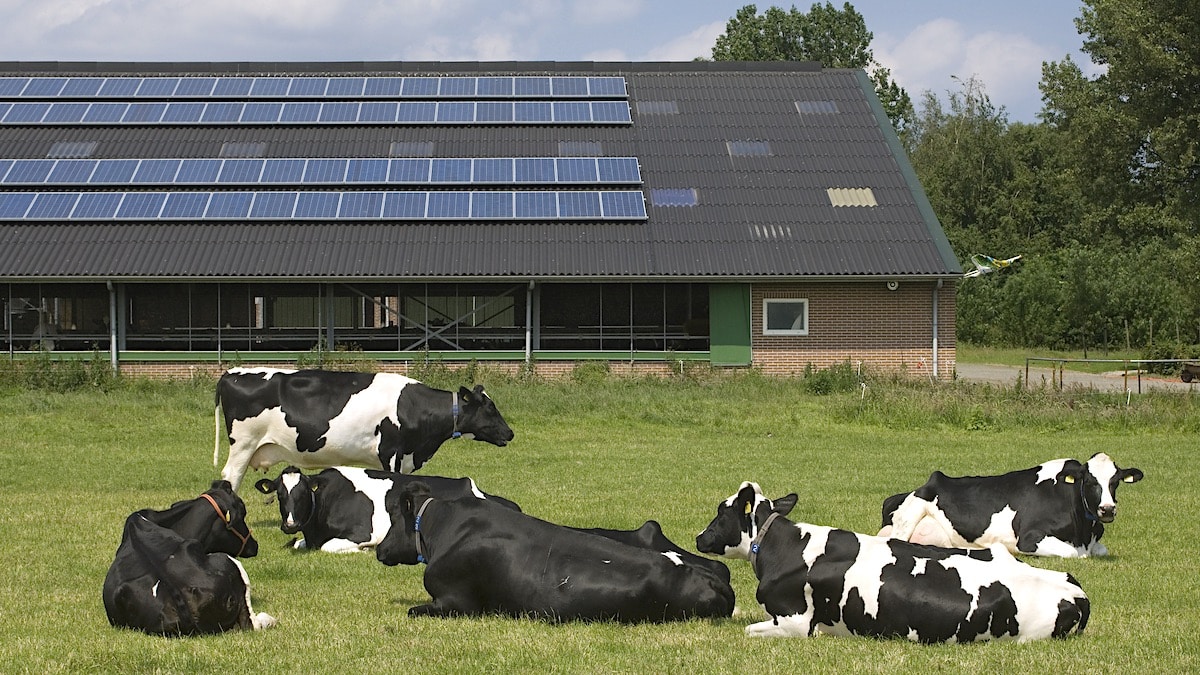
From the street, only the solar panels on the roof are visible. The cables and connectors hidden behind them remain out of sight, yet that is precisely where failures often originate. In 2019, TNO examined 27 fires involving solar panels, the majority of which occurred in 2018. According to TNO, connectors from different manufacturers can generate heat when coupled together, even if they appear to fit.
More fires do not indicate the ignition source
Between 2018 and 2020, the fire service reported an average of approximately 35 fires per year involving buildings equipped with solar panels. By the first half of 2023, that figure had already reached 55. The fire service described this increase as concerning.
In June 2023, a residential block in Arnhem burned down. Following the incident, Willemjan Muysson of the Dutch Fire Service called for stricter building regulations regarding solar panels.
The issue extends beyond the panels themselves; cables and inverters are integral components of the installation. Johan de Vries of the Dutch Fire Service emphasized that the manner in which the system is installed is a critical factor. Consequently, a fire in a building with solar panels does not necessarily indicate where the ignition started.
A fitting connector can still cause problems
TNO consulted damage experts for its investigation, who estimated that connector issues were the cause in 80 to 99 percent of the fires examined. A connector is the plug that electrically links two parts of the system. It is important to note that this figure represents an expert estimate for those specific cases and does not constitute a national statistic for all fires.
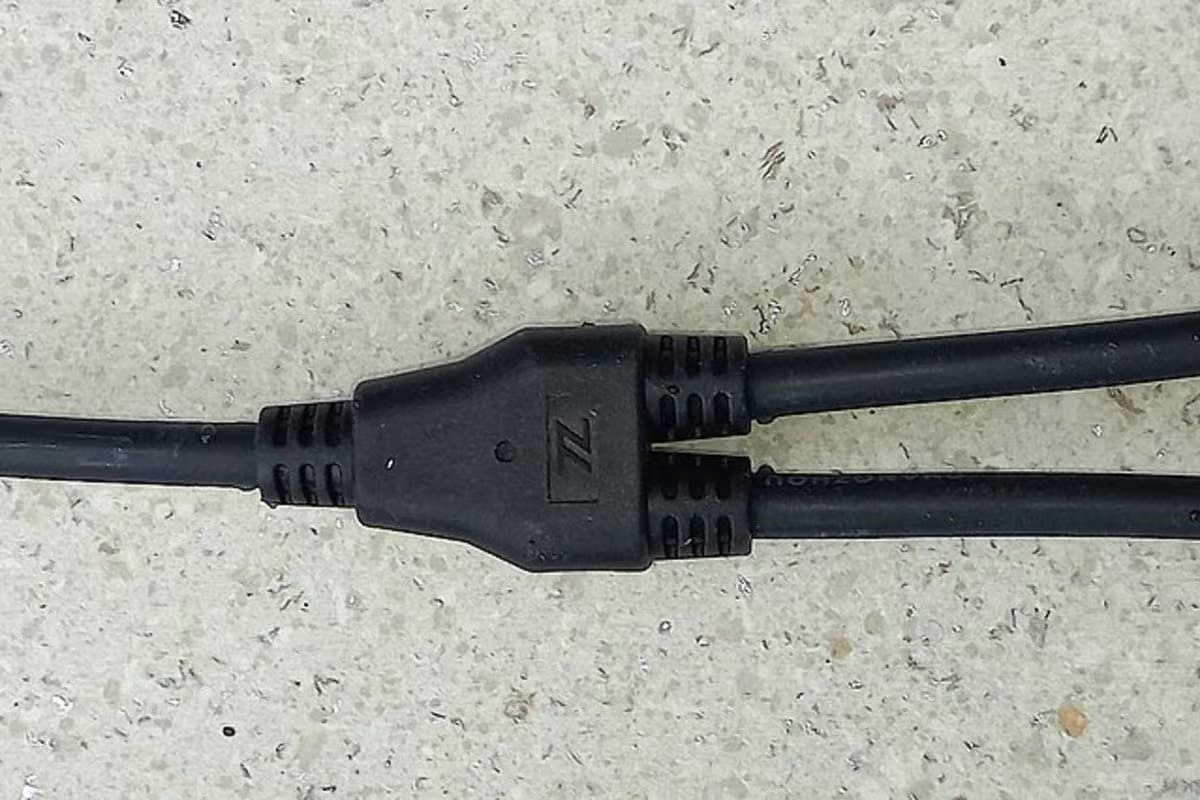
An MC4 connector joining multiple solar panel cables. Image: Asurnipal, CC BY-SA 4.0, via Wikimedia Commons.
The selection of compatible plugs is critical during installation. In 2019, TNO advised combining only connectors of the same brand and type. Even if two plugs appear to fit together, the connection may suffer from additional resistance. This generates heat, which in the worst case can trigger an arc—a spark that jumps through the air—followed by a fire.
The same hazard applies to connectors marketed as “MC4-compatible.” MC4 is the most widely used connector type, but TNO notes that such a label does not mean different brands can be mixed safely. TNO researcher Wim Sinke previously highlighted the connections behind the panels as the likely source of the problem, rather than the panels themselves.
Roof structure matters for flush-mounted systems
A flush-mounted system occupies the space where roof tiles would normally be installed. In 2019, TNO cited a 2013 foreign estimate indicating that the risk of fire in such systems was twenty times higher than for panels mounted on top of roof tiles. In the latter configuration, the tiles provide an additional layer that helps contain flames.
Fire services also identify insufficient ventilation behind the panels as a potential cause of overheating, a concern that is particularly relevant for flush-mounted installations.
That older figure requires context. In 2025, former Minister Keijzer of Housing, Spatial Planning and the Environment informed the House of Representatives that only three out of 70 building fires subsequently investigated involved a flush-mounted system. These incidents were distinct from the fires underlying the earlier estimate.
What can you check in your own installation?
“Solar panels are fundamentally quite safe. The critical factor is how they are installed,” said Johan de Vries of the Dutch Fire Service. Installers should therefore be asked to verify that all connectors are of the same brand and type. It is also essential to have the connections inspected to ensure they are properly secured. The mere fact that two plugs fit together is insufficient.
The more recent study also examined fires that originated outside the solar energy system. Of the 70 building fires analyzed, the fire started within the solar system in 30 cases. In 29 instances, the cause was located elsewhere. For 11 cases, the cause remained unknown. Consequently, the heavy emphasis on connectors found in the earlier research cannot simply be extended to all these incidents.
About the research
TNO conducted the initial study in 2019 on behalf of the Netherlands Enterprise Agency. In 23 of the 27 fires examined, the affected properties were residential. TNO based its conclusions regarding connectors partly on interviews with damage experts. The percentage cited was their estimate.
The Dutch Institute for Public Safety (NIPV), TNO, and NEN collaborated on the subsequent phase of the investigation. From November 2022 through October 2023, the NIPV monitored building fires involving solar panels. During that period, 152 out of approximately 10,000 building fires were identified as involving solar panels, of which 70 cases were suitable for further analysis. The NIPV report was published in October 2024.
Involved researchers and institutions
Willemjan Muysson serves as the program manager for Safe Energy Transition at the Dutch Fire Service. Johan de Vries is an advisor for Safe Energy Transition at the Dutch Fire Service. Wim Sinke was the lead researcher for solar energy at TNO and a professor at the University of Amsterdam; he retired in 2022. The estimate that the fire risk for integrated roof systems is twenty times higher originates from the German Fraunhofer ISE (2013) and was adopted by TNO in its report. The follow-up project, “Improving Monitoring and Regulations for Fire Safety (BI)PV,” was funded by the Ministry of Economic Affairs and Climate. NEN is the Royal Netherlands Standardization Institute.
Pvola take
The data decisively moves the failure point from the photovoltaic module to the electrical interface. Procurement and installation teams must treat connector compatibility as a critical safety specification, not a minor accessory detail, to prevent arc faults.
Frequently asked questions
Where do solar panel fires typically originate according to TNO research?
Solar panel fires typically originate in connectors and cabling rather than the panels themselves. TNO found that connectors from different manufacturers can overheat when used together, even if they appear to fit perfectly.
How many solar panel fires were reported annually between 2018 and 2020?
The fire service reported an average of approximately 35 fires per year involving buildings equipped with solar panels between 2018 and 2020. This figure increased to 55 by the first half of 2023, which the fire service described as concerning.
What is the fire risk difference for flush-mounted solar systems compared to roof-mounted panels?
Flush-mounted solar systems have a fire risk estimated to be twenty times higher than panels mounted on top of roof tiles. This estimate originates from a 2013 study by the German Fraunhofer ISE and was adopted by TNO in its report.