Spain: Javier Moliner's renewable energy company gets green light to install 8,200 more solar panels in Castellón for 2.4 million euros
The short answer
The Valencian regional government has authorized the construction of two solar plants in Castellón with a combined capacity of 6.27 MW. This approval allows the developer to proceed with permitting and construction for facilities that will connect to the local distribution grid.
Key facts
- Capacity
- 6.27 MW combined installed capacity across two separate facilities
- Stage
- Construction authorization granted by regional government
- Grid connection
- Connection to distribution network via Rambleta substation in Nules
- Owner or developer
- Mediterranean Sun Power, a joint venture between Elektrosol and Enraíza
- Location
- Torrasa area in Vall d'Uixó, Castellón province, Spain
Renewable energy continues to expand its footprint in Castellón province, with new photovoltaic projects that increase the presence of such facilities and mobilize multi-million-euro investments.
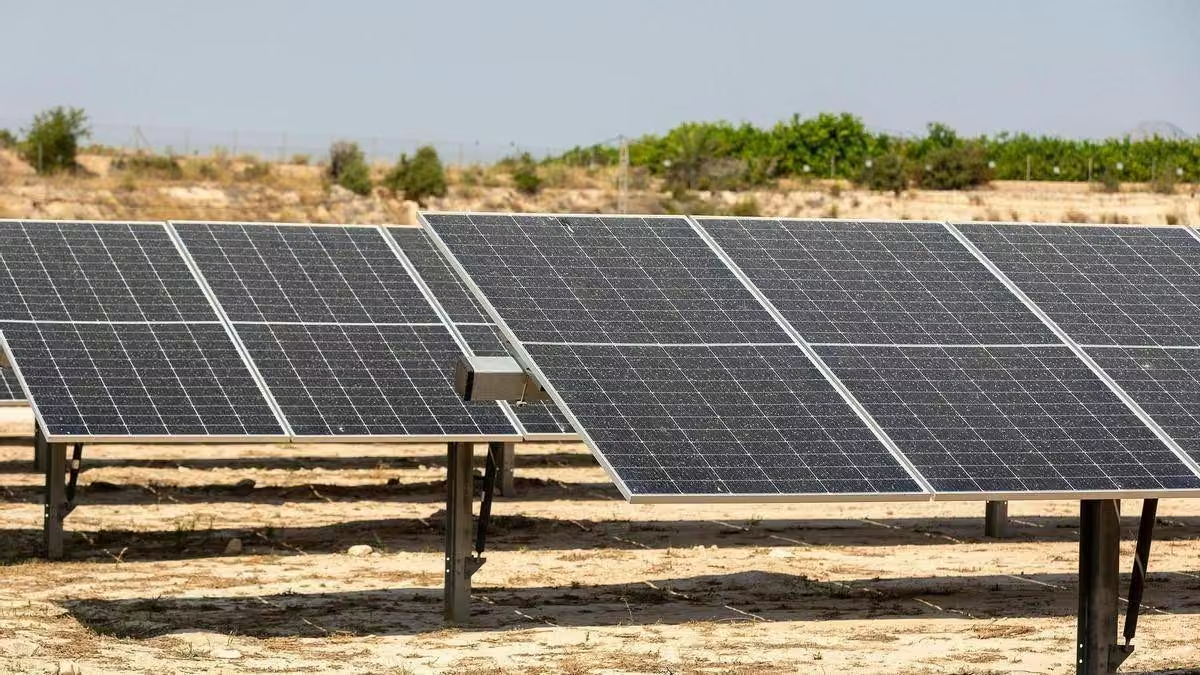
The renewable energy company linked to former Castellón Provincial Council president Javier Moliner is advancing its expansion plans across the province. The Valencian regional government has authorized the construction of two new solar plants in Vall d'Uixó, which will incorporate 8,208 photovoltaic panels and involve an investment of nearly 2.4 million euros. Both facilities will be located in the Torrasa area and are part of Mediterranean Sun Power's project portfolio.
The two resolutions, published this Friday in the Official Gazette of the Valencian Government (DOGV), mark a significant step toward the construction of facilities whose permitting process began at the end of 2022. The developer is a joint venture between Elektrosol, a solar energy specialist, and Enraíza, the investment firm associated with Javier Moliner.
Two plants in Torrasa
Mediterranean Sun Power 2 will develop the largest of the two sites, designated MSP2 Antic, which involves installing 4,752 solar panels on plot 357 within industrial estate 4. The project carries a budget of 1,390,546 euros, covering the cost of the panels, associated equipment, and the connections required to transmit the generated electricity.
The second facility, named MSP3 Regis, will be built across three additional plots in the same area. It will feature 3,456 panels and require an investment of 977,384 euros. Together, the two plants will have a combined installed capacity of 6.27 megawatts, although the maximum amount of power they can feed into the grid will be slightly lower.
The two solar parks will share portions of their electrical infrastructure and will connect to the distribution network via the Rambleta substation in Nules.
Approval for the projects follows a multi-year process of administrative procedures and revisions. For the Antic site, the local council and other regulatory bodies initially raised objections that the developer had to address. Ultimately, both projects secured the necessary favorable reports, and no objections were filed during their public consultation periods.
The approval does not, however, mean that construction can begin immediately. The developers must still secure the remaining permits and comply with the conditions set by the Valencian regional government.
These requirements include protecting trees and wildlife, maintaining agricultural areas, and planting rows of citrus trees to mitigate visual impact. Certain activities are also prohibited between March and June to safeguard bird breeding. In Antic, the use of one plot has been ruled out due to flood risk, and outstanding agreements with the affected irrigation entities must be resolved.
The companies have a maximum of 20 months to complete the installations, although they must meet the deadline of August 8, 2027, to obtain the final operating permit, unless an extension is granted.
Expansion across the Plana
The new authorizations confirm the growth of Mediterranean Sun Power across several municipalities in Castellón. The company’s strategy involves developing relatively small-scale solar plants located near industrial zones and connected to existing electrical grids.
The Valencian regional government had already approved a separate facility for the company in Vila-real last October. That project, located in the Pinella district, involves 4,212 panels and an investment of 1.1 million euros.
The firm has also taken steps to expand its footprint across other parts of the Plana region. In July, this newspaper reported on its plans to develop two new plants in Nules, in addition to the Vila-real initiative.
Two projects in Almassora, which came to light earlier this year, add to the pipeline. These installations, whose administrative process was previously disclosed, represent a combined investment of 3.3 million euros and will feature approximately 12,400 solar panels.
The company has also promoted initiatives in other municipalities, including Burriana, Les Alqueries, and Castelló de la Plana.
Through this model, Mediterranean Sun Power aims to bring renewable electricity production closer to businesses in the province, particularly those located in areas with high industrial activity.
Pvola take
This approval validates the viability of small-scale, grid-connected solar projects in industrial zones. By leveraging existing infrastructure, developers can reduce interconnection costs and accelerate deployment. The 20-month construction window highlights the tight timelines now standard for utility-scale projects in the region.
Frequently asked questions
What is the investment amount and panel count for the new solar plants authorized in Vall d'Uixó?
The authorized projects involve an investment of nearly 2.4 million euros and the installation of 8,208 photovoltaic panels. These facilities are part of Mediterranean Sun Power's portfolio in the Torrasa area.
Which companies are involved in the development of the Mediterranean Sun Power solar projects in Castellón?
The developer is a joint venture between Elektrosol, a solar energy specialist, and Enraíza, an investment firm. This collaboration is advancing the construction of two new solar plants in the province.
What specific environmental conditions must be met for the construction of the solar plants in the Torrasa area?
Developers must protect trees and wildlife, maintain agricultural areas, and plant citrus trees to mitigate visual impact. Certain activities are prohibited between March and June to safeguard bird breeding seasons.