Samsung SDI books 60 GWh of US storage orders and begins Indiana LFP ESS production
Key facts
- Samsung SDI secured over 60 GWh of US energy storage system orders in 2026, including a 1 GWh agreement with Alpha Omega Power
- The company began mass production of lithium iron phosphate cells at its Indiana facility in October 2026 as part of a dual-chemistry strategy
- Samsung SDI reported a third-quarter 2026 operating profit of KRW 407.8 billion, a significant increase from an operating loss recorded in the same period last year
- Battery division revenue reached KRW 4.41 trillion in the third quarter of 2026, representing a 55.3 percent year-on-year increase driven by storage demand
Samsung SDI posted its highest quarterly operating profit in three years in the third quarter of 2026, driven by utility-scale energy storage system (ESS) orders and battery backup units (BBUs) for artificial intelligence data centers.
Revenue rose 52.6% year-on-year, with operating profit reaching KRW 407.8 billion (USD 304 million) after an operating loss a year earlier. The battery division generated KRW 4.41 trillion in revenue (USD 3.28 billion), up 55.3% year-on-year, and posted a KRW 361.9 billion (USD 269 million) operating profit.
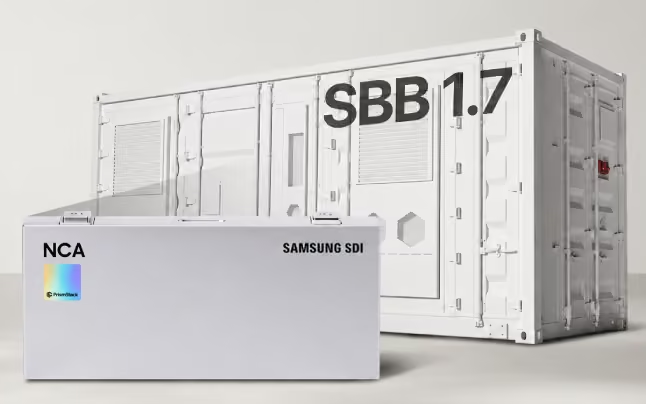
The turnaround is bolstered by data center demand for energy storage, but was anchored by the US stationary storage market, where Samsung SDI said it secured more than 60 GWh of ESS battery orders in 2026. That tally includes a 1 GWh US supply agreement with Alpha Omega Power for its nickel cobalt aluminum (NCA) Samsung Battery Box 1.7 and a US cell supply arrangement with Sungrow .
Exclusive: Sungrow turns to Samsung SDI battery cells to sustain its energy storage business
The South Korean-headquartered company said that, as part of its two-track NCA and LFP chemistry strategy , it began mass production of LFP cells in October at its StarPlus Energy facility in Indiana.
US electric vehicle demand remains slow enough that factories meant to supply cells and packs for mobility purposes are not as viable as when investment decisions were made.
Samsung SDI and LG Energy Solutions have both pivoted factory lines towards LFP for stationary storage, and Samsung said it is designating its Synergy Cells plant in Indiana as an ESS production hub, and further accelerating EV-to-LFP line conversions in the fourth quarter. LG did similar with its own JV with Stellantis .
To avoid Chinese import tariffs and meet Foreign Entity of Concern (FEOC) rules, it said it has “signed long-term supply agreements for LFP cathode materials with major Korean materials companies to meet U.S. demand for supply chains independent of China.”
Samsung SDI also recently launched cylindrical LFP cells for data center BBUs and aims to close additional long-term utility-scale ESS and uninterruptible power supply (UPS) contracts before year-end, alongside bidding in South Korea’s third government-led ESS procurement round.
Pvola take
The pivot to domestic lithium iron phosphate production in Indiana signals a strategic shift for US storage developers seeking supply chain resilience. By localizing LFP cell manufacturing, Samsung SDI reduces logistical risks and aligns with US infrastructure priorities, which is critical for long-term project bankability. This move suggests that future utility-scale tendors will increasingly favor suppliers with established domestic production capabilities to mitigate geopolitical and supply chain uncertainties.
Frequently asked questions
How many GWh of US energy storage orders did Samsung SDI secure in 2026?
Samsung SDI secured more than 60 GWh of ESS battery orders in the US for 2026. This volume includes a 1 GWh supply agreement with Alpha Omega Power for NCA battery boxes.
Where did Samsung SDI begin mass production of LFP cells for energy storage systems?
Samsung SDI began mass production of LFP cells at its StarPlus Energy facility in Indiana in October. This move supports its two-track strategy of using both NCA and LFP chemistries for stationary storage.
What impact did US stationary storage demand have on Samsung SDI's third-quarter 2026 operating profit?
US stationary storage demand helped drive Samsung SDI's highest quarterly operating profit in three years. The company reported an operating profit of KRW 407.8 billion, reversing an operating loss from the same period a year earlier.