Ireland Opens Plug-In Solar Pathway for DIY Kits by Spring 2027
The short answer
Ireland will legalize plug-in solar kits as early as April 2027, removing the requirement for professional installation for these systems. This move enables households to deploy low-cost DIY solar, reducing barriers to entry for residential renewable adoption.
Key facts
- Jurisdiction
- Ireland
- Instrument
- Regulatory update for plug-in solar systems
- Status
- Cabinet approval pending next week
- Effective date
- April or May 2027
- Scope
- DIY plug-in solar kits for residential use
Expedited approval pathway for plug-in systems costing as little as €500 - Government to make decision next week

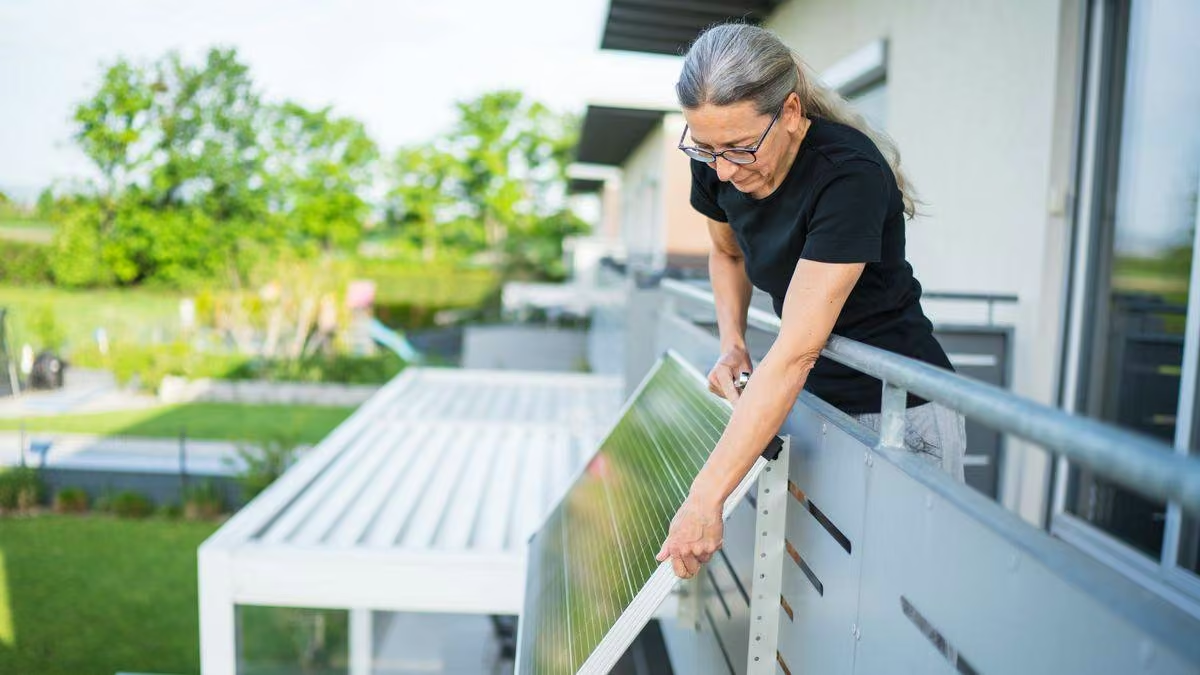
Plug-in solar kits, commonly referred to as "balcony solar," are straightforward to install and capable of producing a meaningful amount of electricity (Image: Getty).
While the "balcony solar" trend is already helping households across Europe reduce their energy costs, its presence in Ireland has outpaced the regulatory framework. Current rules governing plug-in solar kits have not yet been updated to reflect the technology's growing adoption.
That status quo is set to shift. The Department of Energy has confirmed to CorkBeo that Minister Darragh O'Brien will present proposals to the cabinet next week, aiming to legalize DIY solar installations in Ireland by April or May.
Consumers can currently order user-friendly solar panel and battery kits from online retailers such as Amazon and Joom for as little as €500. Because these systems bypass the need for professional installation, they eliminate high upfront costs and can provide immediate annual savings of approximately €200 for the average household.
Nevertheless, the financial benefits of these plug-in units are modest compared to those of conventional rooftop systems. A standard 4kWp rooftop installation can generate roughly 3,400 kWh annually, translating into yearly savings ranging from €800 to €1,200.
Across much of Europe, plug-in solar systems have found a niche among residents of smaller dwellings, holiday homes and households unable to shoulder the multi-thousand-euro cost of a full rooftop installation. Retailer Lidl is already marketing battery and panel packages starting at €299 in several EU markets, alongside a higher-capacity battery unit equipped with a remote management application, available from €399.
These products could appear on Irish store shelves by the new year, yet regulatory barriers have persisted, as current rules still mandate professional installation for any system connected to the grid. That requirement has not deterred a growing number of Irish solar enthusiasts, who have continued to order DIY kits online and deploy them in their homes.

The Department of Climate, Energy and the Environment has informed CorkBeo that regulatory updates are imminent, following the submission of recommendations by ESB Networks on the requirements for permitting do-it-yourself solar installations in Irish residences.
A departmental spokesperson stated to CorkBeo: "Minister O’Brien and the Department of Climate, Energy and the Environment are supportive of any technology that can reduce costs for households and consumers and increase the share of renewables in our system, provided that it can be integrated safely."
The spokesperson added: "For that reason, Minister O’Brien wrote to ESB Networks in May requesting that, in its capacity as the body responsible for safety regulations and technical standards for the distribution grid, it works with the National Standards Authority of Ireland (NSAI), Safe Electric and the Commission for the Regulation of Utilities (CRU) to prioritise and accelerate the development of standards that will permit the use of ‘plug-in’ solar systems in Ireland."
According to the department, the report was submitted on October 1st and outlines a pathway for the adoption of do-it-yourself solar technology in Ireland.
The spokesperson stated that Minister O’Brien will present a memorandum to the Government next week to brief Cabinet colleagues, a move that is anticipated to coincide with the publication of the Working Group’s report. Although plug-in devices are currently prohibited from use in Ireland, the Government is collaborating with stakeholders to expedite the development of the regulatory framework.
The Department described the procedure as a fast-track process, indicating that plug-in solar systems could become legal in Ireland as early as April or May 2027.
Such a change would likely trigger a surge of new products entering the market, providing Irish households with an additional option to reduce their energy costs.
Pvola take
The regulatory gap between market availability and legal permission has been a significant friction point for Irish consumers. By fast-tracking the standards, the government aligns policy with the existing consumer demand for affordable, low-capacity solar solutions.
Frequently asked questions
When is Ireland expected to legalize DIY balcony solar installations according to the Department of Energy?
Ireland aims to legalize DIY balcony solar installations as early as April or May 2027. The Department of Energy has confirmed that Minister Darragh O'Brien will present proposals to the cabinet next week to expedite this regulatory change.
What is the estimated cost of plug-in solar kits and the potential annual savings for Irish households?
Plug-in solar kits can be purchased for as little as €500 from online retailers. These systems are reported to provide immediate annual savings of approximately €200 for the average household by bypassing professional installation costs.
How will the legalization of plug-in solar kits impact the Irish solar market and consumer options?
Legalizing plug-in solar kits is likely to trigger a surge of new products entering the Irish market. This change will provide households with an additional, low-cost option to reduce energy bills, as current rules currently mandate professional installation for grid-connected systems.