Calicanto 51 MW Solar Secures Grid Access in San Luis, Argentina
The short answer
ENReGE Resolution 991/2026 authorized the 51 MWp Calicanto solar project to connect to the Argentine Interconnection System via the Nogolí Transformer Station. This grid access validates the US$36.9 million investment, allowing Aisa Group to generate revenue from electricity sales and reduce exposure to mining energy costs.
Key facts
- Capacity
- 51 MWp installed capacity with estimated annual generation of 110.1 GWh
- Stage
- Grid access approved via ENReGE Resolution 991/2026
- Grid connection
- Connection to SADI via Nogolí Transformer Station
- Owner or developer
- Aisa Group, with Minas Argentinas as the parent entity
- Location
- Belgrano department, San Luis, Argentina
Diversification of investments
Minas Argentinas is edging closer to finalizing its entry into the power generation sector, a strategic move that extends beyond its core mining operations and could enhance the energy supply conditions for its facilities within the country.
The National Regulatory Agency for Gas and Electricity (ENReGE) issued Resolution 991/2026 today, disclosing a request for access to the national electricity transmission system. The application was submitted by San Luis distributor EDESAL on behalf of Calicanto Solar to integrate 42 MW of capacity into the grid.
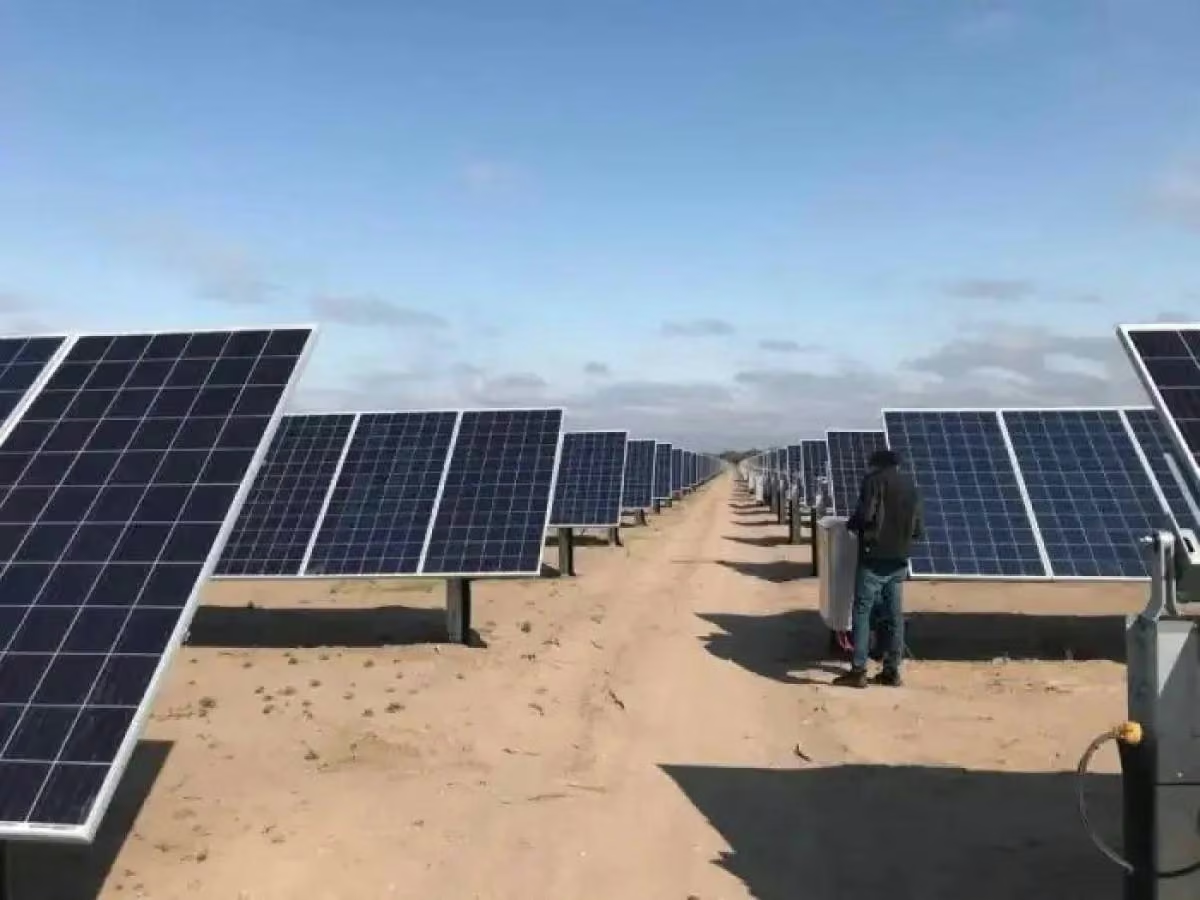
Located in the Belgrano department of San Luis, the project spans 71.9 hectares and features an installed capacity of 51 MWp, with an estimated annual generation of 110.1 GWh. Its connection to the Argentine Interconnection System (SADI) will be established via the Nogolí Transformer Station.
Aisa Group disclosed that the investment totals US$36.9 million, marking the initial phase of a corporate strategy aimed at expanding its share in renewable energy generation and lowering the carbon footprint of its industrial operations.
The energy business
This investment is distinct because Minas Argentinas, which produces and markets gold, is entering a sector that will allow the group to generate revenue through electricity sales, potentially meet a portion of its own energy demands, and mitigate exposure to price volatility in one of the mining industry’s key inputs.
In February of this year, the company accessed the capital markets through its first issuance of negotiable bonds. The offering, announced at up to US$12 million with the potential to expand to US$22 million in future placements, was specifically designed to finance the development of the photovoltaic park.
The addition of in-house generation capacity also opens the door to structuring supply contracts among group companies or selling power to other large industrial and mining consumers, although no specific contracts have been identified that would allow for determining the commercial destination of the entire production volume.
The issuance ultimately reached US$3.6 million, with an annual rate of 8% and a maturity date in February 2027, as previously reported by Minería & Desarrollo.
Pvola take
This approval marks a critical de-risking step for Aisa Group’s entry into power generation, moving beyond mining operations. By securing grid access, the project can now proceed to construction and eventual revenue generation, providing a hedge against energy price volatility for the group’s industrial assets.
Frequently asked questions
What regulatory approval did Minas Argentinas receive for its Calicanto Solar project in San Luis?
ENReGE issued Resolution 991/2026 approving the request for access to the national electricity transmission system. This allows the 42 MW of capacity to be integrated into the grid via the Nogolí Transformer Station.
What are the key technical specifications and investment cost of the Calicanto Solar project?
The project has an installed capacity of 51 MWp and is expected to generate 110.1 GWh annually. The total investment for this initial phase is US$36.9 million, spanning 71.9 hectares in the Belgrano department.
How does the Calicanto Solar project impact Minas Argentinas' industrial operations and energy strategy?
The project enables the company to diversify its energy supply and lower the carbon footprint of its mining facilities. It also opens possibilities for structuring internal supply contracts or selling power to other industrial consumers.