Belgian spin-off Noak raises €5 million for perovskite-silicon solar cells
Key facts
- Noak, a spin-off from imec and Hasselt University, raised €5 million in seed funding to industrialize perovskite-silicon tandem solar technology
- Investors in the round include Belgium's Helios Foundation, Nuhma, and V2HFin, a subsidiary of Flemish Energy Holding
- The technology relies on over a decade of research and five years of outdoor testing across ten sites on three continents
- Noak's proprietary 3D woven back-contact foil eliminates the need for front-side metallisation in its tandem cell architecture
Noak, a new spin-off from Leuven-headquartered research and development hub imec and Hasselt University (UHasselt), has raised €5 million ($5.6 million) in seed funding to scale and industrialise perovskite-silicon tandem solar technology.
The investment is provided by Belgium’s Helios Foundation, Limburg-based climate investment company Nuhma and V2HFin, a wholly-owned subsidiary of Flemish Energy Holding that invests in Flemish start-ups and scale-ups.
Noak builds upon imec and UHasselt’s intellectual property portfolio on perovskite-silicon tandem technology, which is underpinned by over a decade of research within the partners’ Institute for Materials Research at the university’s campus.
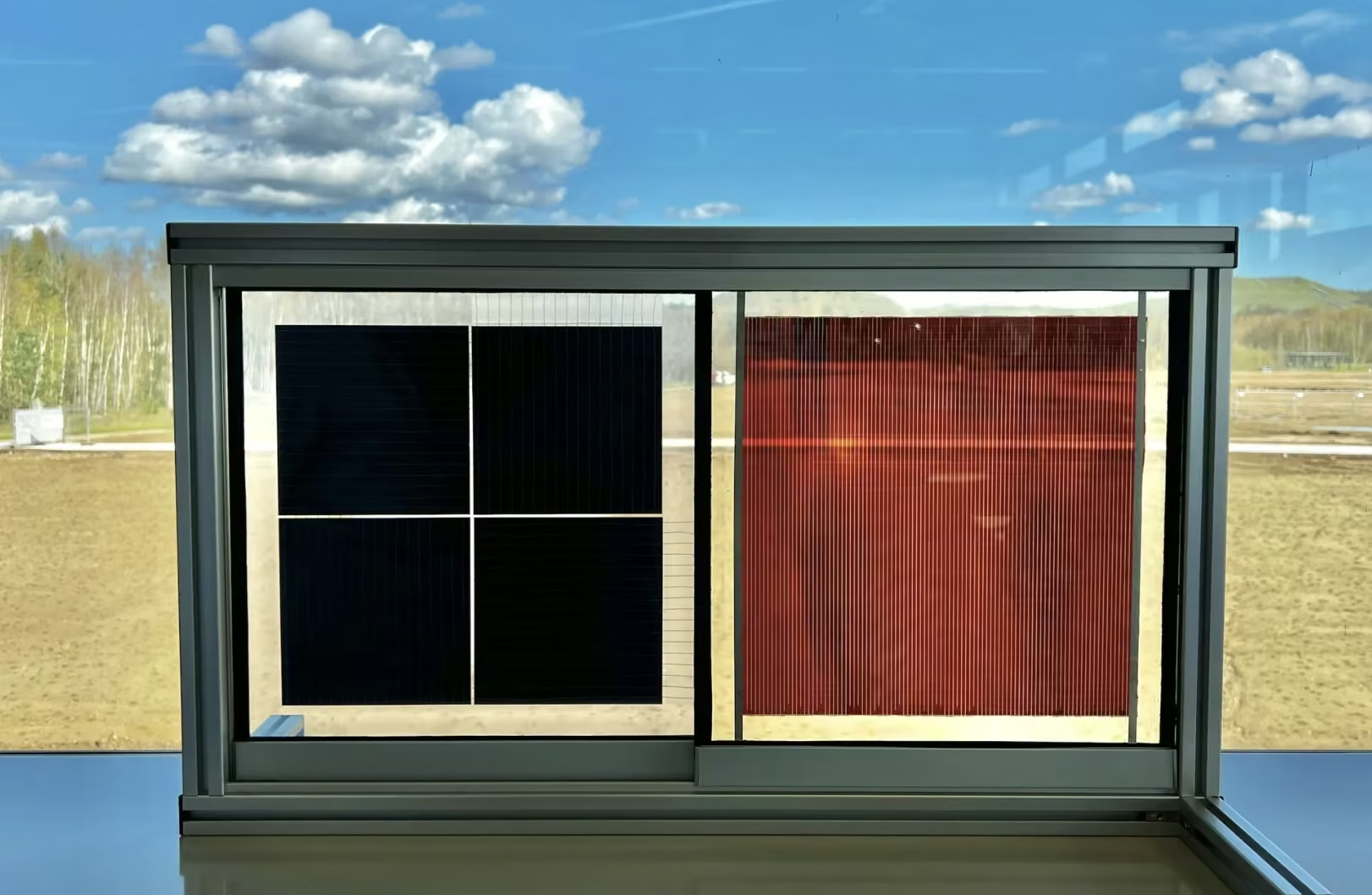
It centres around a perovskite layer stack, developed through proprietary chemical compositions and scalable deposition techniques. imec and UHasselt say they have accumulated five years of outdoor operation across over ten test sites on three continents, withstanding intense sunlight, heavy rain, extreme heat and sub-zero temperatures across Asia, Europe and North America.
“This extensive real-world dataset provides a strong foundation for Noak,” a statement released by the partners says. “Building on it, the next phase will focus on demonstrating long-term stability and performance at scale, key requirements for bankability and commercial success.”
The tandem cell architecture is complemented by Noak’s proprietary 3D woven back-contact foil, which integrates the electrical connections at the rear of the cell. The partners explains this eliminates the need for front-side metallisation, in turn reducing shading losses while supporting more efficient material use and easier recycling at the end of the module’s life.
Noak’s tandem can be subdivided into smaller sub-cells connected in series and parallel, which the partners add allows for design flexibility and enabling reductions in metal usage
“The 3D foil and tile architecture make it possible to drastically reduce the use of expensive and rare metals,” they explain. “These innovations address both cost and critical raw material dependency, key concerns for future solar scalability.”
Noak CEO Geert Palmers commented the spin-off is aiming to “design a value chain through global industrial partnerships without relying on vulnerable critical dominant dependencies.
“This will enable [us] to navigate between expensive protectionism and volatile globalism.” he added.
Pvola take
This seed round signals a critical step toward commercializing perovskite-silicon tandems, as the extensive outdoor dataset addresses key stability concerns for bankability. Developers and investors should monitor Noak's progress in demonstrating long-term performance at scale, which is essential for securing future financing and project approvals. The elimination of front-side metallisation via the back-contact foil could also reduce manufacturing costs, making the technology more competitive for large-scale installations.
Frequently asked questions
How much seed funding did Noak raise to industrialize perovskite-silicon tandem solar cells?
Noak raised €5 million in seed funding to scale and industrialize its perovskite-silicon tandem technology. The investment comes from Helios Foundation, Nuhma, and V2HFin, a subsidiary of Flemish Energy Holding.
What specific technical feature does Noak use to eliminate front-side metallisation in its tandem cells?
Noak uses a proprietary 3D woven back-contact foil to integrate electrical connections at the rear of the cell. This design eliminates the need for front-side metallisation, simplifying the cell architecture.
How has the perovskite-silicon tandem technology been validated for long-term stability and performance?
The technology has undergone five years of outdoor operation across more than ten test sites on three continents. This real-world data covers extreme conditions including intense sunlight, heavy rain, and sub-zero temperatures.