Spain: Environmental Requirements Set for Batteries, with First Projects Already Under Construction
Key facts
- Jurisdiction
- Argentina
- Instrument
- Resolution 957/2026
- Status
- Published in Official Gazette
- Effective date
- Immediate
- Scope
- Battery Energy Storage System operators in the Wholesale Electricity Market
Under Resolution 957/2026, the National Regulatory Agency for Gas and Electricity (ENReGE) mandates that battery storage facility operators certify an Environmental Management System, conduct risk assessments, and monitor noise levels, electromagnetic fields, and waste.
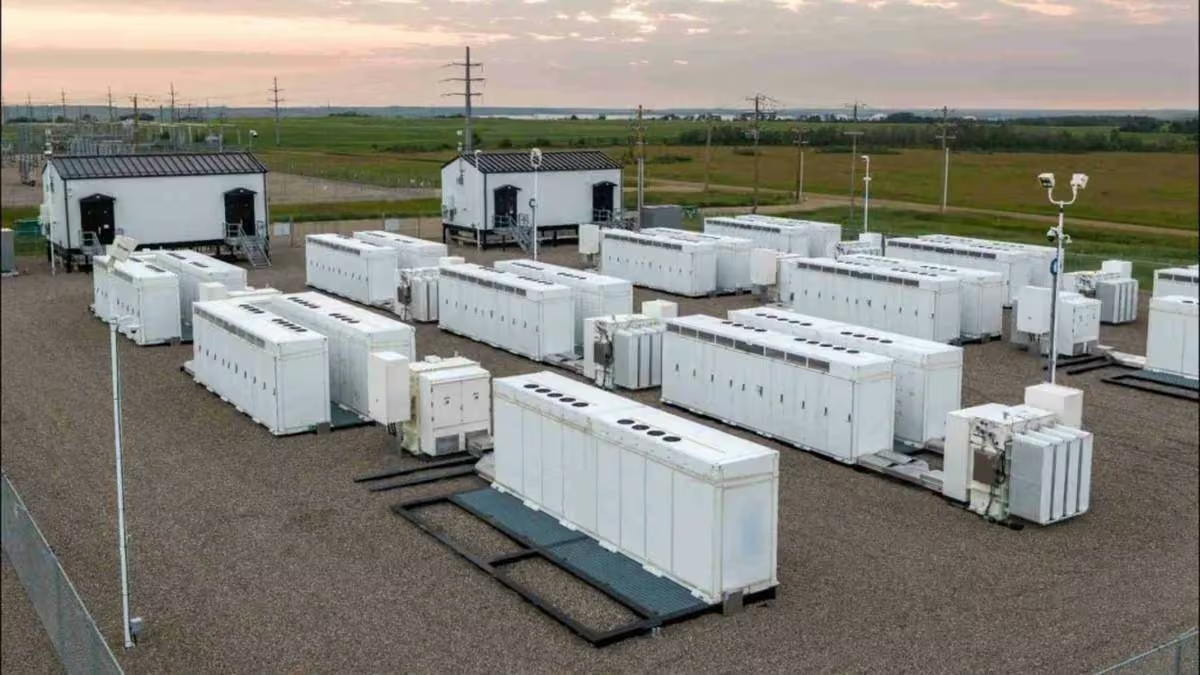
The National Regulatory Agency for Gas and Electricity (ENReGE) has extended the environmental obligations previously applicable to other participants in the Wholesale Electricity Market (MEM) to battery storage facilities. This measure was enacted through Resolution 957/2026, which was published in the Official Gazette on Friday and takes effect immediately. The regulation applies to operators of Battery Energy Storage System (BESS) facilities, who are now required to comply with Resolution ENRE 558/2022. That earlier regulation requires the implementation and certification of an Environmental Management System, as well as the submission of periodic environmental planning documents.
The regulatory body added a dedicated section on waste, effluent, and emission management to Annex II of the resolution. This provision covers depleted batteries, oils, refrigerants, electronic waste, liquids used in emergency response, emissions from fires, and sulfur hexafluoride (SF₆), an insulating gas employed in electrical equipment.
Regarding emergency preparedness, prevention plans must be established and updated in accordance with the specific risk level of each facility. If the jurisdiction where the power plant is located does not mandate an Environmental Risk Analysis, the operator is still required to prepare the document and keep it on file, signed by both the facility owner and the technical manager.
The resolution also establishes a monitoring framework. Operators are required to measure annually any noise that may affect the surrounding neighborhood, as well as the electric and magnetic fields generated by the alternating current facilities. They must also record the volume, composition, and hazard level of waste, in accordance with Law 24.051 on hazardous waste or its local equivalent, along with shipping manifests, final disposal sites, and accumulated quantities. Non-compliance may be penalized under concession contracts or Article 63 of Law 24.065. The regulation bears the signatures of Vicente Serra, Marcelo Alejandro Nachon, Griselda Lambertini, and Héctor Sergio Falzone.
What remains to be defined
Several operational details were deferred for later resolution. The ENReGE will outline the specific criteria governing the Environmental Risk Analysis in a subsequent regulatory step. The Public Safety and Environment Unit (USPYMA) will be responsible for establishing communication channels with the agency, defining the minimum content requirements for reports, and standardizing the necessary forms. The agency clarified that its environmental oversight is complementary to the functions of national and local authorities. Furthermore, the submission of these studies does not constitute approval of the operational or safety conditions of the facilities.
The regulatory framework for battery storage was finalized as the initial projects entered the construction phase. The AlmaGBA tender, established in 2025 under Resolution SE 67/2025, marked the nation’s first battery auction, awarding 12 projects totaling 713 MW to the grids of Edenor and Edesur. Official projections indicate these facilities will become operational during the early warm months of 2027. Significant progress has been recorded on several sites. By late September, the Nuevo Puerto project had reached approximately 70% completion, incorporating 135 containers of lithium iron phosphate batteries manufactured by CATL.
Concurrently, the Energy Secretariat awarded the AlmaSADI tender in July via Resolution 155/2026. This allocation comprises 700.5 MW spread across 20 projects by five companies in seven regions, with an estimated investment of USD 700 million.
It is worth noting that these projects were already required to undergo provincial environmental impact assessments. In Buenos Aires, for instance, the BESS projects by AlmaGBA are processing their studies under Provincial Law 11.723. The new regulation adds a layer of oversight to the operational phase, which falls under the jurisdiction of the national regulator. The resolution also addresses scenarios where batteries are integrated with other generation technologies, as well as the owners of facilities connected to the Argentine Interconnected Power System (SADI), who must additionally comply with the requirements established for those specific activities.
Frequently asked questions
What specific environmental obligations does Resolution 957/2026 impose on battery storage facility operators in Argentina?
The resolution mandates that operators certify an Environmental Management System and conduct risk assessments. It also requires monitoring of noise levels, electromagnetic fields, and waste management in accordance with existing regulations.
How does the new regulation handle the management of depleted batteries and electronic waste at BESS sites?
The regulation adds a dedicated section to Annex II covering waste, effluent, and emission management. This provision specifically addresses the handling of depleted batteries, oils, refrigerants, and electronic waste generated by the facilities.
What impact does the immediate effect of Resolution 957/2026 have on developers planning new battery storage projects?
Developers must now ensure their projects comply with the new environmental certification and monitoring requirements from the start. This adds a layer of regulatory compliance that must be integrated into project planning and operational procedures.