Vietnam Opens Consultation on 8th Power Plan for 62 to 82 GW Solar
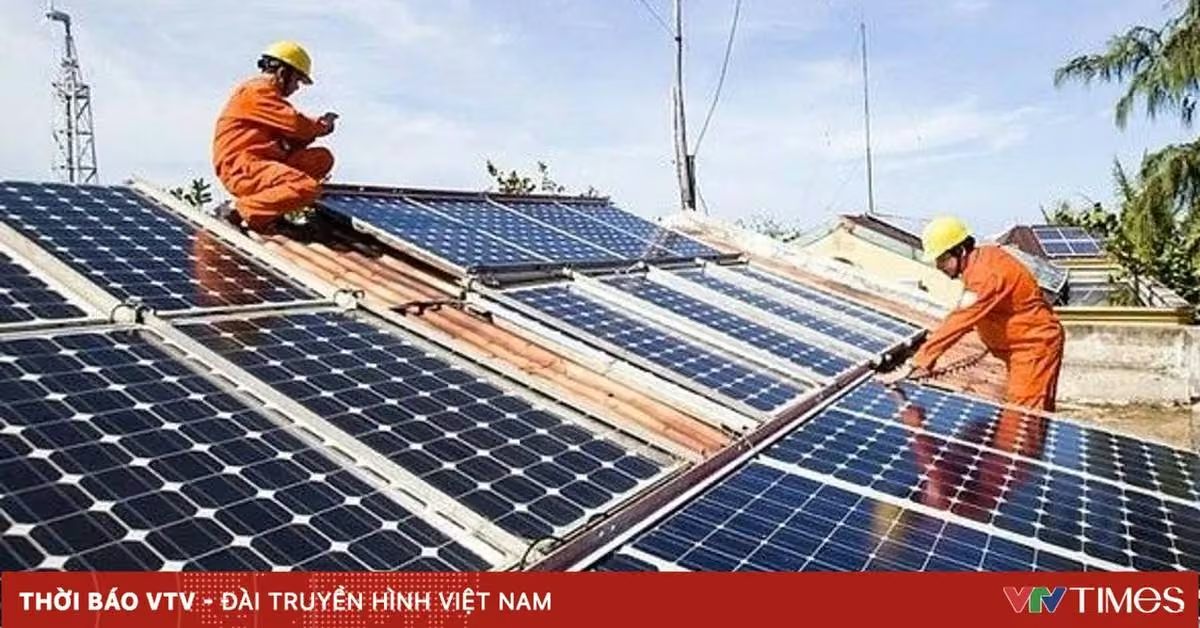
The short answer
Vietnam's Ministry of Industry and Trade has opened public consultation on the 8th Power Development Plan, which targets 62 to 82 GW of solar capacity by 2030. This proposal defines the regulatory framework for developers and investors planning large-scale solar projects in the country.
Key facts
- Jurisdiction
- Vietnam
- Instrument
- 8th Power Development Plan
- Status
- Open for public comment
- Scope
- National power generation and transmission grid expansion
- Rate or target
- 62 to 82 GW solar capacity by 2030
The Ministry of Industry and Trade has sought public feedback on proposed revisions to the 8th Power Development Plan, which outlines a target to expand the nation's total solar energy capacity to between 62 and 82 gigawatts by 2030.
In its consultation, the ministry also proposed accelerating the development of gas and coal-fired power plants to ensure a stable electricity supply alongside the expansion of renewable energy sources.
Solar power is projected to see the largest expansion among all energy sources calculated for the period from now through 2030. Onshore and nearshore wind energy are also expected to grow by approximately 9 to 32 GW. The total capital required for power generation and electricity transmission grids over this period is estimated at around US$134 billion. The Ministry of Industry and Trade has asked local authorities to clarify their capacity to operate proposed projects on schedule. The State Bank of Vietnam has been requested to assess the ability to mobilize capital for planned additional energy sources, particularly coal-fired power plants.
In addition, the Ministry of Industry and Trade has proposed preliminary research on an ultra-high-voltage ±800 kV direct current transmission line spanning 1,050 km, connecting the central southern coastal region with the Red River Delta. The project is expected to have a transmission capacity of 6,000 to 8,000 MW, with an initial total investment of nearly US$3.5 billion.
The proposals are part of the revised 8th Power Development Plan, which is currently open for public comment. If implemented, the project would become Vietnam’s first ultra-high-voltage direct current transmission line, designed to move electricity from the central region to the north.
Under the proposed plan, the first substation, located in the South Central region, would receive power from the North Central and South Central coastal areas via the 500 kV grid. At this facility, the alternating current would be converted to direct current for transmission to the north. Upon reaching the receiving substation, the power would be converted back to alternating current for integration into the northern grid.
Pvola take
The plan signals a decisive shift toward solar as the primary growth vector for Vietnam's grid, with a target range that dwarfs current installed capacity. By pairing this with a proposed 1,050 km ultra-high-voltage DC line, the ministry addresses the transmission bottleneck that has historically constrained renewable integration in the central region.
Frequently asked questions
What is the target solar energy capacity in Vietnam's revised 8th Power Development Plan by 2030?
The plan targets a total solar energy capacity between 62 and 82 gigawatts by 2030. This represents the largest expansion among all energy sources calculated for the period.
How much capital is estimated for power generation and transmission grids in Vietnam's new plan?
The total capital required for power generation and electricity transmission grids is estimated at around US$134 billion. The State Bank of Vietnam is assessing the ability to mobilize this capital.
What are the specifications of the proposed ultra-high-voltage transmission line in Vietnam?
The proposed line spans 1,050 km with a transmission capacity of 6,000 to 8,000 MW. The initial total investment for this project is nearly US$3.5 billion.