Australia: Federal Labor drops anti-dumping rule after solar industry warns of rising costs and delays
Key facts
- Australia's federal government revoked plans to impose a 48 percent duty on imported hollow steel tubing used in solar projects
- The proposed tariff would have applied to steel imports from China, Taiwan, Malaysia, and South Korea, affecting torque tubes for solar mounting
- Solar developers including OX2, Lightsource, and European Energy signed a letter in September requesting a review of the anti-dumping measures
- Industry representatives warned that the retrospective application of the duty would cause significant disruption and cost overruns for ongoing projects
- Minister Tim Ayres agreed to revoke the June 2026 decision extending anti-dumping measures to drilled torque tubes following industry pressure
Australia’s federal government has reportedly revoked plans to impose hefty new tariffs on imported steel products used in large-scale solar projects, reversing a decision that had threatened to cause delays and blow out construction costs, including for some projects already underway.
Industry minister Tim Ayres, as reported by Renew Economy, in June agreed to impose a 48 per cent duty on hollow steel tubing – including those used in torque tubes that support the mounting of solar modules – imported from China, Taiwan, Malaysia and South Korea.
The contentious anti-dumping decision – which drew immediate howls from the solar industry, and then in September a written request for a review – was to be made retrospective to September last year, taking in multiple gigawatts of recently completed solar projects, as well as others about to start construction.
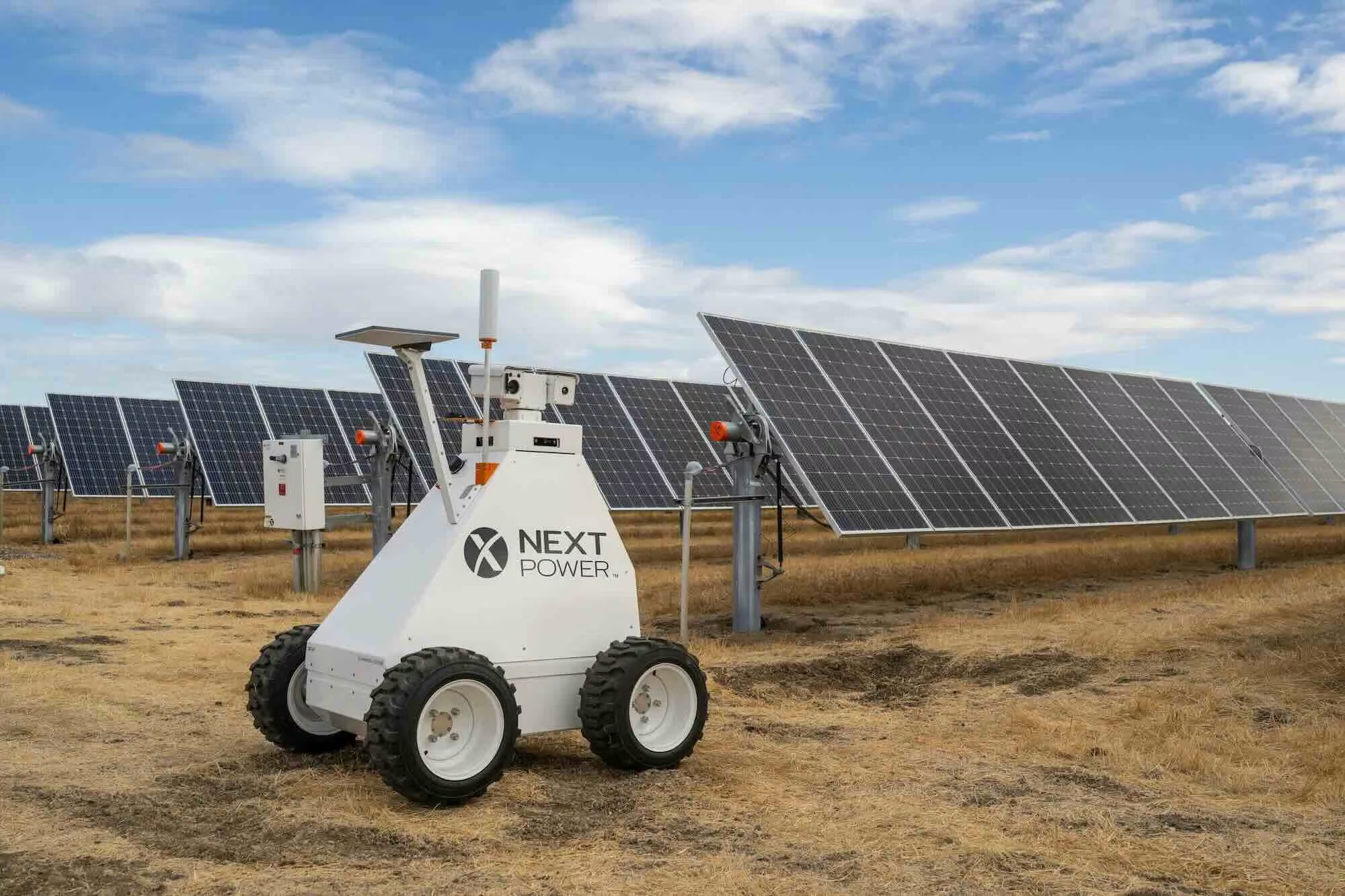
The September letter, authored by solar tracking specialists Nextpower and co-signed by a raft of developers including OX2, Lightsource, European Energy, and Pacific Energy, argued that the imported steel tubing is a crucial part of the supply chain that cannot be met adequately by Australian manufacturing.
“We are concerned that, without a clear distinction between genuine circumvention and downstream fabrication that is integral to project delivery, the expanded measures will produce serious collateral harm,” the letter said.
The letter also warned that a failure to reverse or amend the ruling would lead to “reduced investment confidence across Australia’s renewable energy pipeline; and broader impacts on the energy transition outcomes the government is actively working to accelerate.”
“These are not speculative risks,” it said. “They are the direct and near-term consequences for projects that are already underway, many of which cannot readily be re-specified or resourced without significant disruption and cost.”
Ayers, it appears, has heeded the industry’s message, the minister agreeing this week to revoke the June 2026 decision extending anti-dumping measures to drilled torque tubes, with the original duty notices remaining unchanged.
The reversal of the decision will also have retrospective effect, Nextpower Australia managing director Peter Wheale told Renew Economy on Thursday, removing the additional measures as introduced from September 04, 2025.
“I am incredibly pleased to advise – on 5 November 2026, the Australian Minister for Industry formally accepted the Anti-Dumping Review Panel’s recommendation following Nextpower’s appeal,” Wheal said in a message.
Renew Economy is seeking confirmation and comment from Minister Ayers’ office.
Wheal says the terms of the reversal provide a strong basis for solar developers and suppliers to recover any duties already paid, as well as to release existing securities and withdraw or reassess outstanding duty demands.
It is not yet clear why Ayers decided to reverse this particular decision on anti-dumping, but driving up the cost of a major component of solar farm construction is in direct conflict with one of his government’s flagship policies, Solar Sunshot.
The $800 million Solar Sunshot scheme, headed up by Arena, has a two-pronged goal of helping Australia to get a foothold in the global solar supply chain, while also working to further drive down the levelised cost of solar energy.
As Arena told Renew Economy last month, the pursuit of ultra-low cost solar is making “good progress” at the panel and cell level, but there’s a “long way to go” when it comes to driving down construction costs for utility-scale PV.
Dan Sturrock, Arena’s general manager of solar investment, says a key goal of the latest round of funding is to support cheaper construction methods and system integration, including the price of racking.
Pvola take
This reversal removes a significant regulatory risk for developers relying on imported steel components, allowing projects to proceed without the anticipated cost blowouts. The decision highlights that supply chain dependencies remain a critical vulnerability for utility-scale solar, as local manufacturing cannot yet meet demand for specialized structural parts. Investors should note that while panel costs fall, construction material volatility remains a key factor in project economics and timeline stability.
Frequently asked questions
Why did the Australian government revoke the anti-dumping duty on steel tubing for solar projects?
The government revoked the duty after industry groups warned it would cause significant delays and cost overruns. The decision was reversed to avoid disrupting projects that could not be easily re-specified without major financial impact.
What specific solar component was targeted by the 48 percent anti-dumping duty in Australia?
The duty targeted hollow steel tubing, specifically drilled torque tubes used in solar tracking systems. These components are imported from China, Taiwan, Malaysia, and South Korea and are critical for mounting solar modules.
How does the removal of the steel tariff affect solar developers in Australia?
The removal prevents immediate cost increases and construction delays for utility-scale solar projects. Developers can proceed with their current supply chains without the financial burden of the proposed 48 percent import duty.