Lithium battery energy storage plant to be installed in Maschwitz

The project, endorsed by the national government, the provincial government, and the municipality, aims to improve the stability and supply capacity of the electrical system. Neighbors are concerned.
In recent days, a concerning piece of news surprised residents of Ingeniero Maschwitz: the installation of a battery energy storage facility using lithium batteries on Provincial Route 26, near the border with Dique Luján.
The project will be developed by Genneia, in technical coordination with the distributor Edenor. The facility is designed to “resolve voltage drops and reinforce the stability of the electrical supply in the area during the months of peak summer demand,” according to official explanations.
Construction, whose first phase began this Monday, will be carried out under the AlmaGBA program of the National Secretariat of Energy, which seeks to improve the reliability of electricity supply at various points in the Greater Buenos Aires metropolitan area. In this case, the facility will be located on Brazil Street, between La Pista and Route 26.
The project, named BESS Maschwitz 33 kV, features a nominal capacity of 40 megawatts and a storage capacity of 200 megawatt-hours, sufficient to supply electricity for five continuous hours. “The service improvement will primarily benefit residents of Ingeniero Maschwitz and Garín, within a regional coverage node that also includes Benavídez and the Ford industrial hub,” confirmed official sources interviewed by El Día de Escobar.
The same sources noted that the project is progressing under a coordinated oversight framework across the three levels of government. It has received authorization from the National Secretariat of Energy to connect to the interconnected system, as well as approval from the Buenos Aires Provincial Ministry of Environment to conduct preliminary work on the site—a 33,000-square-meter plot where 44 containers equipped with lithium batteries will be installed.
The initiative has also obtained preliminary water feasibility clearance from the Water Authority (prior to the final Environmental Impact Declaration) and fire safety approval from the Provincial Fire Department.
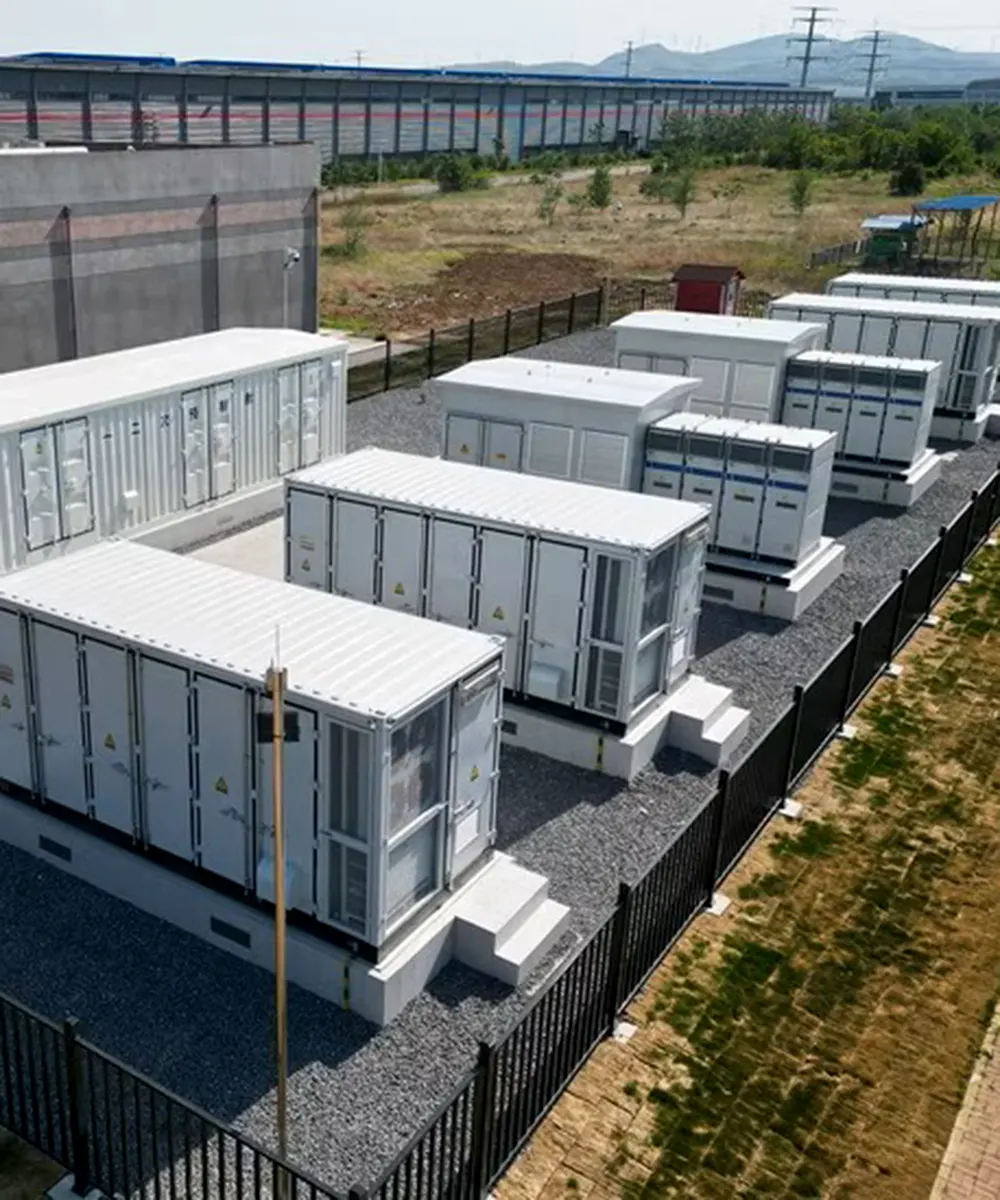
At the local level, the development of civil works and the commissioning of the facility are subject to the Construction Permit and the Operational Authorization obtained from the Municipality of Escobar. Within this regulatory framework, the installation includes a 3-meter concrete perimeter wall for isolation from adjacent lands, as well as safety technology that includes a soundproofing process.
BESS (Battery Energy Storage System) technology involves using batteries that operate in soundproofed containers, which “do not generate combustion or pollutant emissions,” according to the sources consulted.
Surprised by the news, which emerged in recent days, the construction of this plant has generated concern among residents of Ingeniero Maschwitz, who have begun organizing to try to stop the project. Through an online petition titled “Let’s Protect Ingeniero Maschwitz from Dangerous Installations,” which has already gathered more than 1,500 signatures, they question the chosen location and warn about the possible environmental effects and the risks associated with the operation of this type of facility.
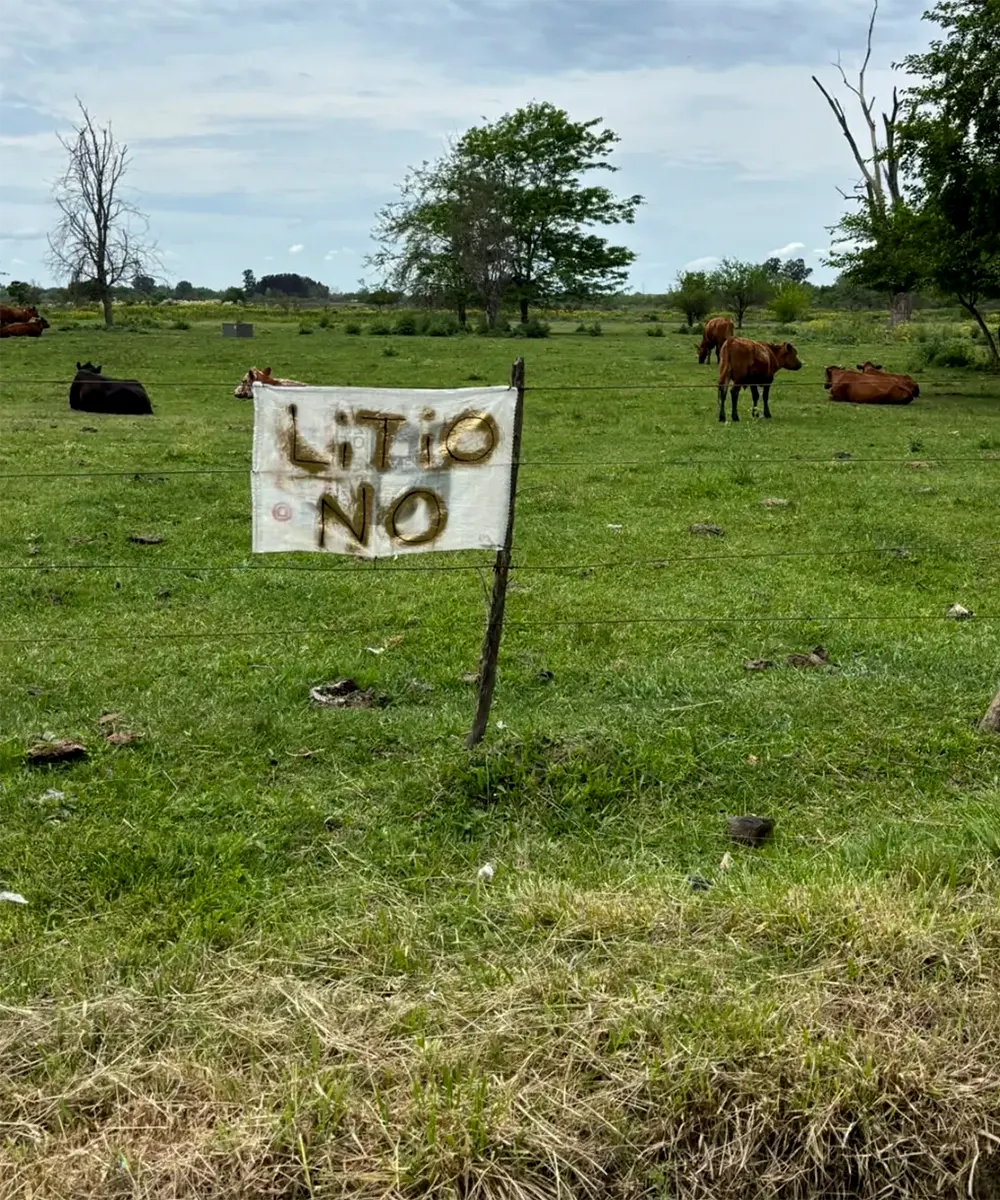
To spread their opposition, residents created the Instagram account Maschwitz Libre de Litio, which presents itself as a community organizing space to prevent the installation of the energy storage center. Its first post, dated Saturday, October 31, calls for adding signatures to the petition and announces upcoming informational meetings.
In the petition, the organizers express concern about the operation of cooling equipment and transformers, potential effects on soil, water, and vegetation, as well as risks associated with possible fires or battery failures. They also raise questions about emergency protocols, safety distances, and the information available to the community.
Among their requests, they ask for the environmental impact study to be made public, for information to be provided regarding permits and compliance with urban planning and safety regulations, and for the participation of local residents to be guaranteed. Furthermore, they propose that the installation be relocated to an industrial sector and that construction not proceed until the project conditions are clarified.
Concerns took a new turn this morning when a road maintenance vehicle arrived at the site designated for the plant's installation. Through a post on the aforementioned Instagram account, residents shared images of a backhoe loader from Delta Vial and reported that there were no construction permit signs on the premises.
"They were supposed to start in 10 days, but they arrived this morning. No construction permit sign. We called, but no one answered," they stated. The images also show the presence of several neighbors and a Municipal Police vehicle.
The environmental and social impact study submitted for this project was prepared by the consulting firm Scudelati & Asociados and dated September 16, 2025. The report describes a plant with a nominal power output of 40 megawatts and an energy storage capacity of 200 megawatt-hours.
BESS systems—acronym for Battery Energy Storage System—allow electricity to be stored when demand is low and returned to the grid during periods of peak consumption. In this way, they aim to contribute to improving the stability and supply capacity of the electrical system.
The planned infrastructure includes 44 battery containers and eight additional containers for energy conversion and transformation equipment. The connection to the grid will be established through an underground medium-voltage line to the Dique Luján Step-Down Substation, which is operated by Edenor. The operation of the system will be regulated by CAMMESA, which will determine when to charge the batteries and when to dispatch the stored energy.
The project is part of storage initiatives aimed at strengthening electricity supply in the Buenos Aires Metropolitan Area. According to information published regarding the award, Genneia secured the project in August 2025 under the AlmaGBA program, which is designed to add storage capacity at critical points of the electrical system. The service provision involves a 15-year contract.
The report submitted by the company assesses potential impacts during the construction, operation, and eventual decommissioning phases of the plant. Among other aspects, it analyzes air quality, soil, surface and groundwater, vegetation, wildlife, and noise levels.
Regarding safety, the document outlines temperature monitoring systems, gas detection, and fire prevention and control measures. It also includes a contingency plan, waste management, environmental monitoring, and soil and vegetation protection and restoration.
In its conclusions, the consulting firm Scudelati & Asociados considers that the project presents a low environmental risk. This assessment corresponds to the study commissioned by Genneia and does not, in itself, guarantee the absence of risks or certify that the project has all the necessary authorizations.
The report also acknowledges potential noise disturbances during certain tasks, particularly during the construction and decommissioning phases, when machinery and vehicles would be used. For the operational phase, it anticipates maintenance and monitoring tasks, with a reduced presence of personnel and permanent security.
Furthermore, the document considers the environment favorable due to the abundance of fresh surface water, primarily from the Paraná and La Plata rivers. It also mentions the quality and availability of groundwater, the suitability of the soils and climate, along with the morphological conditions that facilitate surface drainage and would limit flooding.
This analysis includes the Paraná Delta and the floodplains of the Luján, Reconquista, Matanza, Paraná, and La Plata rivers.
Lithium-ion battery energy storage systems present specific risks that must be considered in the design, installation, and operation of plants. One of the main risks is the phenomenon known as thermal runaway: a chain reaction in which a battery overheats and can cause other cells to increase in temperature, with the potential to generate difficult-to-control fires.
During these episodes, batteries may release flammable gases and toxic substances. If these gases accumulate in an enclosed space, there is also the risk of a deflagration or explosion. The spread of fire between modules and containers can complicate the work of emergency teams and prolong the incident.
Another risk is re-ignition: even after a fire has been controlled, batteries may retain energy and heat up again, requiring monitoring for an extended period.
In addition, firefighting operations may require large quantities of water to cool the modules and prevent the fire from spreading. This water can carry contaminants and requires proper handling to prevent it from reaching the soil or waterways.
For these reasons, international safety guidelines recommend that such facilities be equipped with early temperature and gas detection systems, ventilation, fire prevention and control mechanisms, adequate separation distances, and emergency plans coordinated with the fire department and other local agencies.
In the case of the project planned in Maschwitz, the environmental study commissioned by Genneia mentions temperature monitoring systems, gas sensors, ventilation, and fire protection mechanisms. It also incorporates a contingency plan. The existence of these provisions does not mean that potential risks are ruled out, but rather that they are part of the aspects that must be considered for the operation of this type of facility.
Genneia is an Argentine company dedicated to the development, construction, and operation of power generation projects. Its activities are primarily focused on renewable energy sources, such as wind and solar, although it also participates in thermal generation and the commercialization of natural gas.
According to institutional information, the company operates eight wind farms and six solar plants, with over 1,765 megawatts of installed renewable power capacity. The firm also supplies corporate clients and participates in the national electricity market. The project in Ingeniero Maschwitz is part of its entry into the battery-based energy storage business.
The company presents this type of facility as a tool to better utilize available energy and respond to consumption peaks. In the case of Maschwitz, the stated objective is to store electricity during periods of lower demand and deliver it when the system requires greater capacity.
For now, the local residents' opposition continues through an online petition and an Instagram account created to disseminate information and call for meetings.
The company’s institutional rhetoric is a farce, as they fail to mention the disaster they caused in California, USA. The Maschwitz fire department was consulted and does not even know how to extinguish the madness they are installing. I hold the mayor and the Escobar Deliberative Council directly responsible for the disaster they are authorizing.
This 40 MW project is a drop in the bucket compared to the 150 MW project that MSU ENERGY will install at the border between Matheu and Villa Rosa. However, it has not yet been reported in any local newspaper. The projects have received approval from the three required levels of government: national, provincial, and municipal. The only alternative is to challenge the installation through the courts. Regards.
It is a disaster from every angle. From the outset, the environmental impact study does not even correspond to the actual location where the project is to be installed. Enough with trampling on the interests of neighbors to pursue your own deals! Install the project in an industrial park, or next to the officials’ houses!
In recent years, the Escobar Municipality has been making decisions that run counter to the interests of Maschwitz residents, affecting our quality of life, and it refuses to listen or make corrections. First, there was the rezoning of Route 26, despite complaints that even reached the courts. “Coincidentally,” the Bingo hall then came to that area, just a few blocks from two schools. Now this is happening, to mention only the major projects, and not others such as the bridge that was part of a unique identity.
I do not want accidents to occur due to a lack of honesty in maintenance tasks. We lack discipline. For example, the high-speed train in Spain—anything can happen! They should conduct tests in risk-free locations!
The environmental report prepared by the company is a joke, isn’t it? Obviously, their report will be favorable to their business! They are destroying Escobar! Complexes in residential areas, and now with this project! We have a shameful set of politicians in this district! It is a residential area. Why not install it in a technological or industrial park!
THIS PROJECT LACKS SOCIAL LICENSE. STOP DESTROYING ESCOBAR.
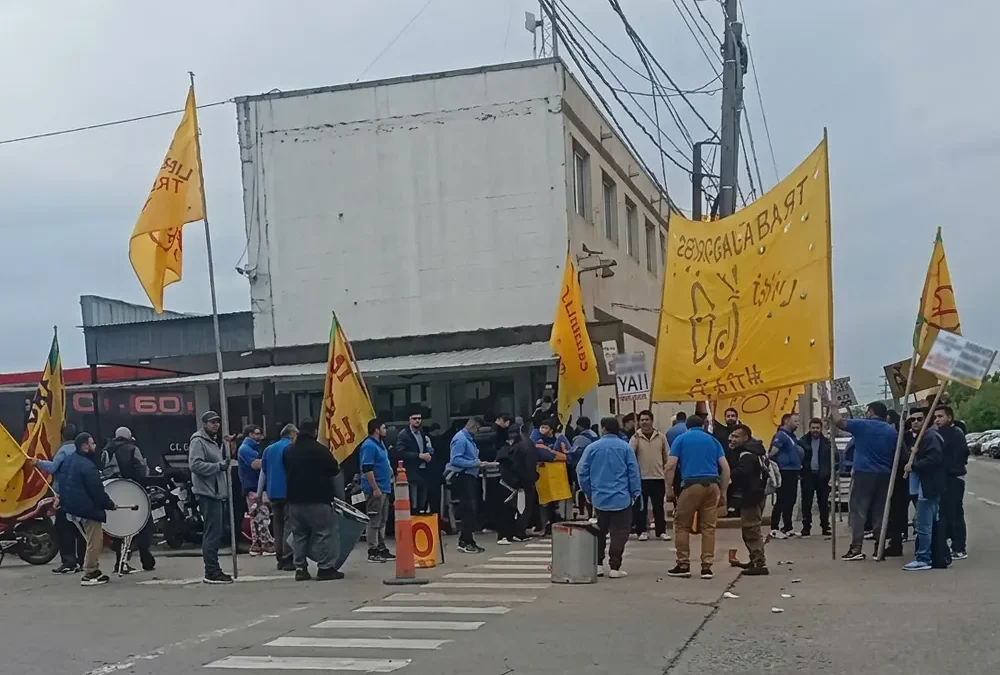
Drivers of Route 60 carried out a day of protest this Friday morning in the locality of Ingeniero Maschwitz to demand a wage adjustment and improvements in working conditions. The measure is part of the conflict over the collective bargaining agreement for the...
As has been happening periodically, Mercado Libre has published new job openings for its storage and distribution center in Loma Verde, whose first phase was inaugurated this Tuesday and is already operational. On this occasion, the company is looking for...
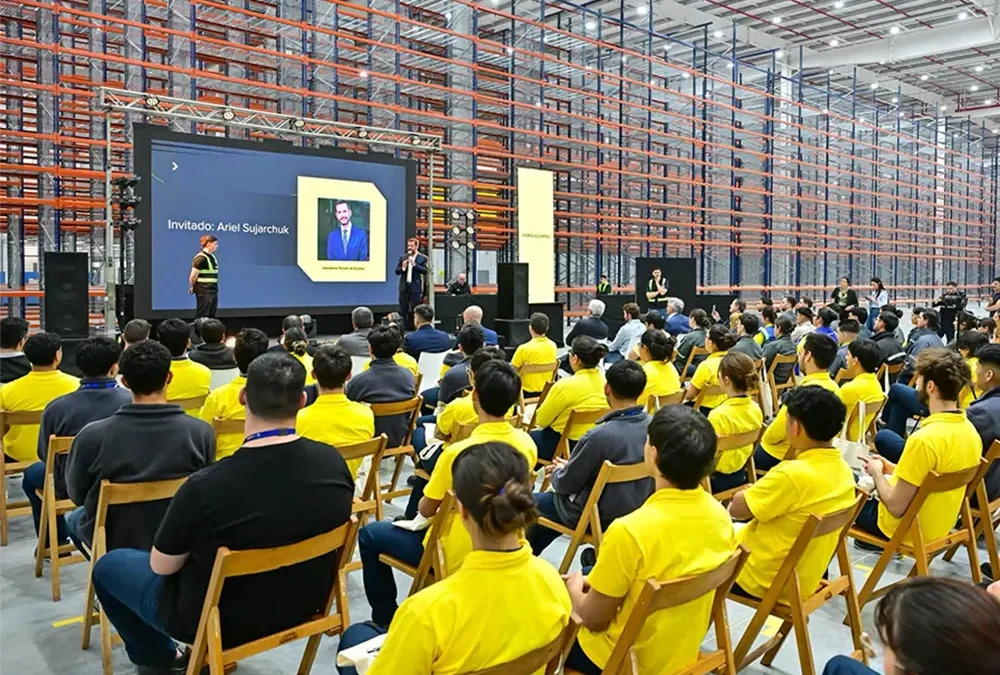
Mercado Libre inaugurated this Tuesday the first phase of the massive storage and distribution center it is building in the locality of Loma Verde, the largest of the company in the country. The project, developed together with Plaza Logística, includes a...
Five months after a truck collided with and collapsed the pedestrian bridge on Avenida Tapia de Cruz, Autopistas del Sol opened the new structure installed as its replacement. The opening of this pedestrian bridge allows restoring an essential connection between the...
Amid a widespread contraction in employment, the food and beverage sector continues to generate job opportunities in the Escobar district, this time through a specialty coffee shop that announced it is seeking staff to form the team for its...
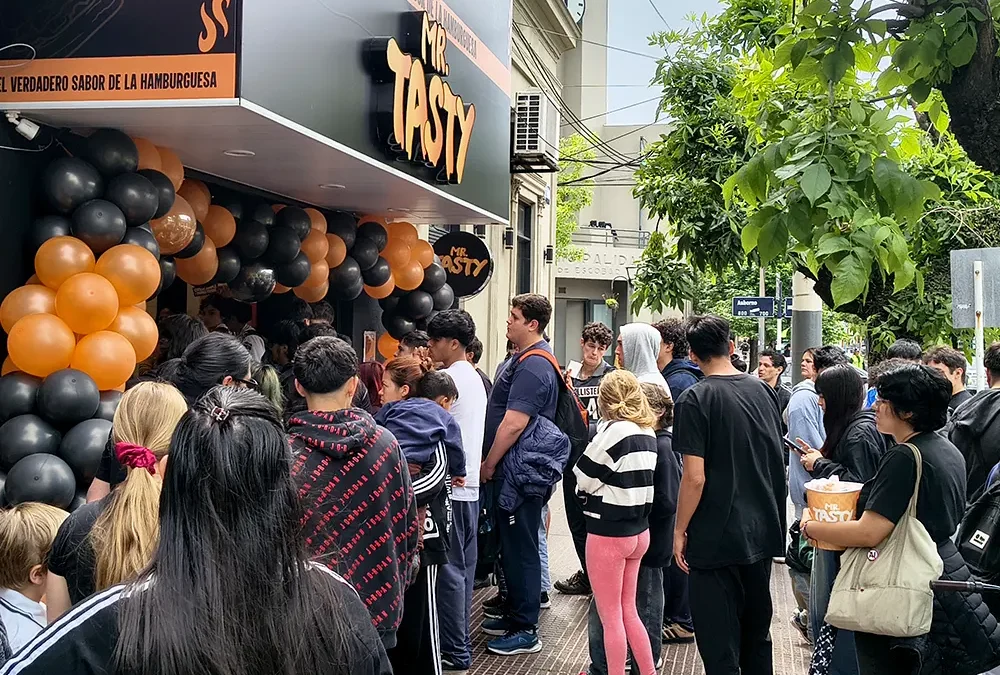
As is the case with every store it opens, the arrival of Mr. Tasty in Belén de Escobar did not go unnoticed. With an irresistible launch promotion, the burger chain managed to turn hundreds of people into its first customers in the...



Frequently asked questions
What is the primary operational goal of the BESS Maschwitz 33 kV project endorsed by national and provincial authorities?
The project aims to resolve voltage drops and reinforce electrical supply stability during peak summer demand. It is designed to improve the overall reliability of the electrical system in the Greater Buenos Aires area.
What are the specific nominal power and energy storage capacity specifications for the Genneia facility in Ingeniero Maschwitz?
The facility features a nominal capacity of 40 megawatts and a storage capacity of 200 megawatt-hours. These specifications are central to the project's ability to manage grid stability during high-demand periods.
How does the AlmaGBA program support the development of the new battery storage facility in the Escobar district?
The AlmaGBA program provides the regulatory framework for improving electricity supply reliability in the metropolitan area. This specific project is executed under that program to enhance grid performance at key points.