South Korea: EZ Analysis: Hanwha Solutions Rides the Blue Wave... Solar Power Expectations, When Will Results Follow?

[Analysis] Hanwha Solutions Rides the Blue Wave… Solar Power Expectations High, But When Will Earnings Follow?
Anticipating Expanded Clean Energy Support Following Democratic Victory in the U.S. Adjusting Module Sales to Prepare for Price Increases… Inventory Remains a Variable Securing Supply Contract in Cartersville… Actual Shipments and Profit Realization Are Key
With the Democratic Party reclaiming both the Senate and the House in the U.S. midterm elections, expectations for Hanwha Solutions’ solar business have risen. This is due to the potential for expanded clean energy support, in addition to import regulations that enhance the competitiveness of U.S.-made products. However, policy expectations do not immediately translate into improved performance. Given that the company has been adjusting module sales in anticipation of future price increases, the timing at which market inventory is depleted and higher selling prices are reflected in actual shipment volumes has become critical.
According to industry sources on the 6th, Hanwha Solutions is pursuing profitability improvements based on the restructuring of the U.S. solar supply chain and its local production base. Analysts also predict that the Democratic Party’s majority in Congress increases the likelihood of countering reductions in renewable energy support. For Hanwha Solutions, which operates a solar manufacturing facility in Georgia, this represents a change that could improve local product demand and investment conditions.
Contrary to expectations, recent quarterly performance has slowed. Hanwha Solutions’ consolidated operating profit for the third quarter was 90.5 billion won, marking a return to profitability compared to the same period last year, but down approximately 71% from the previous quarter. The renewable energy segment also recorded an operating profit of 105.1 billion won, a 37% decrease from the previous quarter. This reflects a combination of improved performance compared to last year and declining profitability compared to the immediately preceding quarter.
The decline in module sales was also influenced by the adjustment of sales timing. Third-quarter module sales volume was 2 GW, falling short of the initial forecast of 2.5 GW. Following the introduction of the U.S. Minimum Import Price (MIP) regime, the company delayed the sale of some volumes, anticipating higher selling prices. This was a strategic choice considering future trading conditions rather than current shipment volumes.
The success of this strategy depends on whether the delayed volumes can actually be supplied under more favorable terms. If price increases proceed as expected, adjusting sales timing could contribute to improved profitability. However, if the depletion of market inventory is delayed, the time it takes for the company to realize its expected prices could also be extended.
The policy effects need to be distinguished in two ways. The MIP, scheduled to take effect on December 4, is an import regulation announced before the election. It aims to improve the sales environment for U.S.-produced goods by limiting the price competition of low-cost imports. The expectation of expanded support, such as tax credits, highlighted by the Democratic victory is a separate factor that could impact investment and demand in the solar power generation sector.
From the perspective of local manufacturers, sales expansion can only be expected if product prices rise while customer investment continues. This is because price increases that benefit the manufacturing sector can also become a burden on equipment adoption costs for power developers. Whether support policies will underpin the economic viability of power projects is a variable that will influence future demand assessments. However, the election results alone do not confirm the restoration or extension of tax credits.
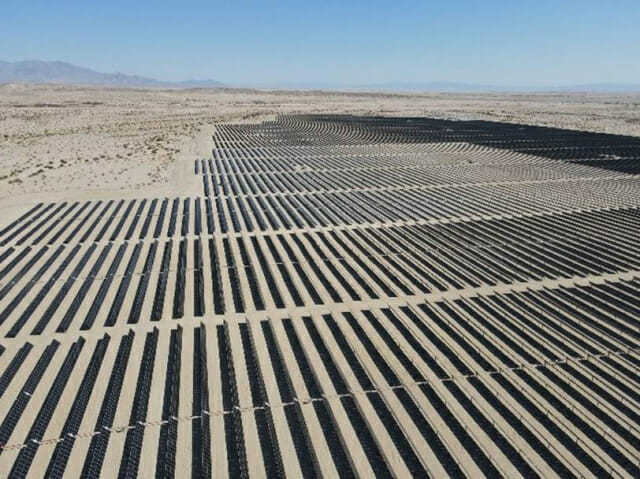
Hanwha Solutions’ foundation for responding to policy changes is its integrated production system in the United States. The Cartersville plant features a production process that spans ingots, wafers, cells, and modules. The company is securing demand from customers who require local supply chains by offering modules that meet the conditions for using U.S.-made components.
In its third-quarter earnings release, Hanwha Solutions stated, “For the Cartersville plant, which has established a local value chain covering ingots, wafers, cells, and modules, all modules that currently qualify for the additional deduction for U.S.-made materials and components (DCA) in 2027 have been sold out,” and added, “We are currently negotiating volume contracts for DCA-qualified modules for 2028.”
This contract serves as evidence that local production capabilities are translating into future sales. However, it is important to distinguish this from the company’s total U.S. production volume, as the contract specifically covers DCA-qualified modules from Cartersville. While securing supply contracts enhances sales visibility, actual profits will vary depending on the pricing terms, delivery schedules, and production costs associated with each contract.
There is also room to reflect rising selling prices. The company explained that in its module sales plan for the next three years, a small proportion of contracts are fixed-price, while a significant portion allows for adjustments to reflect market price increases. This means that the existence of existing contracts does not automatically limit the company’s ability to benefit from price hikes. The key factor is how much of the price adjustment flexibility embedded in these contracts can be realized at the time of actual supply.
Inventory remaining in the U.S. market could delay this process. Industry observers expect that module price increases will gain momentum only after existing inventory is largely depleted. It is projected that the combined effects of increased shipment volumes and higher selling prices will become more pronounced around the third quarter of 2027. This analysis suggests a potential gap between the implementation of new regulations and the timing of earnings improvement.
The profitability of businesses outside of modules must also be considered. In the third quarter, the EPC and development asset disposal business recorded an operating loss of 57.6 billion won. At the time, the company cited delays in project timelines and challenges in securing electrical engineering personnel as contributing factors. Even if module selling prices rise, this does not automatically improve the profits and losses associated with the construction and sale of power generation projects.
Hanwha Solutions’ solar business is built on a foundation of local production facilities and future supply contracts, in addition to expectations of policy benefits. The critical factor now is the company’s execution capability to reflect price increases in sales as market inventory is depleted and to stably produce and supply contracted volumes. To translate the heightened expectations from the blue wave into sustained profits, improvements in module pricing and shipments must be accompanied by effective profitability management in project-based businesses.
Frequently asked questions
How does the Democratic Party's victory in U.S. midterms affect Hanwha Solutions' solar business expectations?
The victory raises expectations for expanded clean energy support and import regulations that enhance U.S.-made product competitiveness. However, these policy shifts do not immediately translate into improved financial performance for the company.
What specific operational challenge does Hanwha Solutions face regarding module sales and inventory levels in the U.S. market?
The company is adjusting module sales to prepare for future price increases, making inventory depletion timing critical. Actual shipment volumes and the reflection of higher prices in sales are key to realizing profits.
Why is the economic viability of power projects a variable for Hanwha Solutions' future demand and profitability?
Price increases that benefit manufacturers can burden equipment adoption costs for power developers, affecting project economics. Support policies must underpin project viability to sustain demand, requiring effective profitability management in project-based businesses.