Solar in Spain: Wholesale Prices Hit Lows

Spain demonstrates how photovoltaics can change the cost of electricity. In the first four months of 2026, the wholesale price averaged 44 euros per megawatt-hour, according to the think tank Ember. During the same period, Italy paid 127 euros and Germany 96. This gap stems from the growth of solar and wind power, which has reduced the weight of gas in price formation. Consumers benefit concretely, but the grid and producers face new challenges.
How solar shifts the price of energy
The European electricity market follows a simple rule. The last power plant called upon to meet demand, typically gas-fired, sets the price for all generators. Solar has a near-zero marginal cost, as once panels are installed, sunlight is free. When solar farms produce at high levels, gas plants remain offline and electricity prices fall.
In Spain, gas set the price in only 9% of hours in 2026. In Italy, this share reaches 75%. In March, the Spanish average stood at 42 euros per megawatt-hour, compared to 143 euros in Italy.
Installed capacity explains these figures. According to Red Eléctrica de España, the grid operator, solar capacity surpassed 50 gigawatts in early 2026, representing 34% of the generation fleet. In the first quarter of 2026, solar and wind covered 44% of electricity produced, while fossil fuels accounted for only 17%.
Savings figures for households and businesses
BBVA Research has calculated that the 20-percentage-point increase in the share of renewables between 2021 and 2024 reduced wholesale prices by nearly 20%. The same institution forecasts a further 20% decline by 2030, provided Spain meets the targets of its national energy plan. An analysis reported by Energía Estratégica estimates that solar photovoltaics saved Spanish consumers 17 billion euros between January 2025 and June 2026.
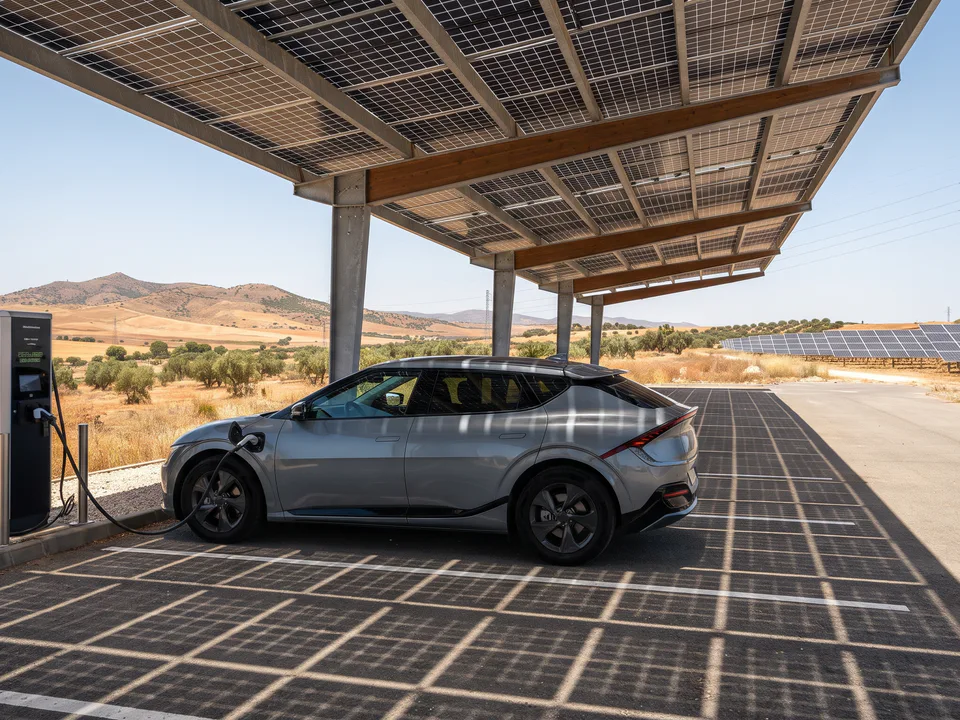
The cost of wholesale energy accounts for 20% to 30% of a household’s electricity bill. For this reason, Ember estimates a reduction in the bill of approximately 10 euros per month per household starting from March 2026. Gas prices have increased by about 60% in the recent period, yet Spanish electricity bills have remained stable and even decreased in April.
Negative prices and zero-cost hours
Solar generation peaks at noon, when prices plummet. In the first quarter of 2026, Spain recorded 397 hours with negative prices, compared to 48 hours in the same period of 2025. Modo Energy counted nearly 700 negative-price hours in the twelve months up to July 22, 2026, double the 348 hours recorded in Germany. However, these values rarely drop below a few negative euros per megawatt-hour. The average price obtained by solar installations fell from 43 euros per megawatt-hour in 2024 to 28 euros in 2026.
The situation changes in the evening. When the sun sets and air conditioners remain on, production drops and prices rise. Those who choose the regulated PVPC tariff, which follows the market hour by hour, save more by shifting consumption to the central hours of the day.
Challenges for the grid, manufacturers, and energy storage
Success comes at a cost. According to Bloomberg, the Spanish government is considering financial support for the solar sector, which is struggling with overcapacity and negative prices. Grids and storage have not kept pace with installations. Some producers are selling at a loss or shutting down panels because the electricity has no destination.
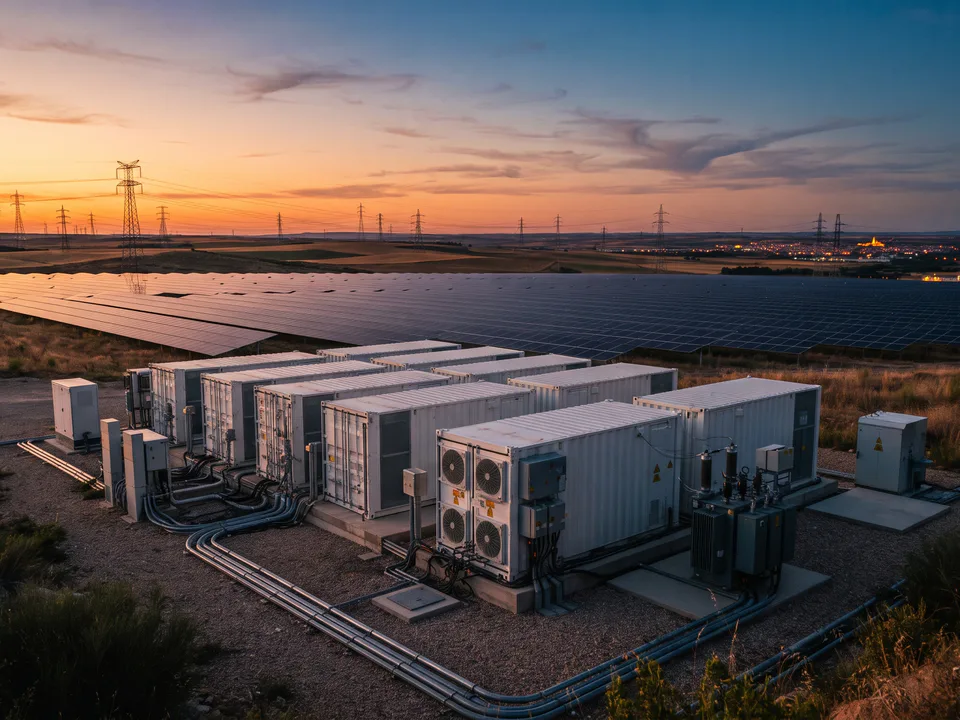
Following the April 2025 blackout, the grid operator is keeping combined-cycle gas plants active to ensure system stability. Analysts say this practice is expected to continue throughout 2026. The government has responded with a royal decree that cuts grid charges by 80% for high-consumption industries and expands the radius for shared self-consumption to five kilometers. Ember forecasts that operational battery capacity in Spain will quadruple between 2025 and 2026, and the country aims for 22.5 gigawatts of storage by 2030.
What the Spanish model teaches
The Spanish case points to a path for those seeking to decouple electricity from gas. Solar photovoltaics lower prices during sunny hours, shield consumers from fuel price hikes, and reduce costs for businesses. This benefit persists only if the grid, energy storage, and demand grow in tandem with generation. Without batteries and without new consumption, such as electric vehicle charging, surplus energy risks losing its value.
In your opinion, can a power system with a high share of solar energy ensure lower electricity bills in the rest of Europe as well?
Having grown up in a family with deep ties to the automotive industry, I have turned my passion for cars into a profession, gaining experience in marketing and production IT across Europe and the United States. Today, I cover the evolution of electric mobility and the automotive sector from technical, industrial, and cultural perspectives, reporting with journalistic rigor and a particular focus on the reliability of sources.
Frequently asked questions
What was the average wholesale electricity price in Spain during the first four months of 2026 according to Ember data?
The average wholesale price in Spain was 44 euros per megawatt-hour during that period. This figure was significantly lower than the 96 euros recorded in Germany and 127 euros in Italy for the same timeframe.
How many hours with negative electricity prices did Spain record in the first quarter of 2026 compared to the previous year?
Spain recorded 397 hours with negative prices in the first quarter of 2026. This represents a substantial increase from the 48 hours recorded during the same period in 2025, highlighting growing market volatility.
What impact does the surge in solar capacity have on gas-fired plants and electricity price formation in the Spanish market?
High solar production keeps gas plants offline, reducing their role in price setting to only 9% of hours in 2026. This shift lowers overall electricity costs but creates new challenges for grid stability and producer revenue models.