Solar Power Reshapes Electricity Pricing in Vietnam

Spot market – The rapid development of solar power is transforming the electricity consumption and supply model in Vietnam, forcing the power sector to adjust its pricing structure. It is reported that the Vietnam Electricity Corporation (EVN) has abolished the morning peak hours and extended the evening peak pricing period, a time when solar power generation declines but consumption demand remains high.
Under the new electricity pricing structure announced by EVN on October 31, the morning peak period from 9:30 a.m. to 11:30 a.m. has been eliminated. Meanwhile, the evening peak period has been extended by two hours, now running from 5:30 p.m. to 10:30 p.m.
These adjustments reflect the increasingly clear impact of the expansion of solar power on Vietnam’s power system. As solar power generation grows rapidly across the country, the risk of daytime power shortages has decreased, prompting policymakers to shift their focus to the evening hours, when renewable energy supply diminishes.
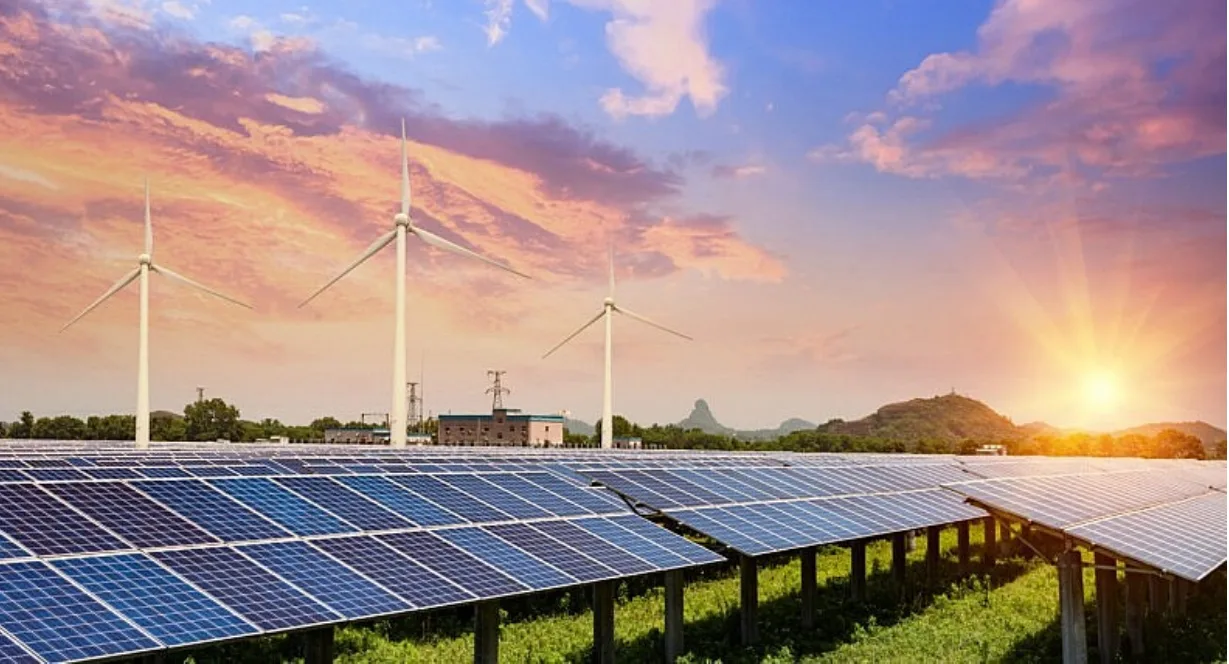
Solar power is changing how electricity prices are calculated in Vietnam
It is reported that EVN began implementing the new electricity pricing structure on October 31, coinciding with a 2% reduction in the average retail electricity price as directed by the Government, to support consumers and businesses. The Government stated that the electricity price adjustment would contribute to reducing inflation by 0.08 percentage points.
Price pressures have become a concern for Vietnam amid the energy crisis triggered by the war in the Middle East. Meanwhile, the change in peak hours also reflects a significant challenge for policymakers: how to continue expanding renewable electricity generation while ensuring a stable supply at night, when solar power no longer makes a significant contribution.
Vietnam is currently one of the leading solar power producers in ASEAN. The rapid development of this energy source has altered electricity consumption patterns, while also impacting pricing mechanisms and investment incentives for power producers, renewable energy developers, and entities with direct electricity purchase needs.
With the daytime peak hours eliminated, manufacturers will no longer be subject to higher electricity rates during this period. Conversely, factories that shift additional production shifts to the night, after the peak hours have ended, may save on electricity costs. Businesses that own battery storage systems can also store the solar power generated during the day for use in the evening.
However, shifting all peak hours to the evening could have mixed impacts on the energy transition goals in the industrial sector.
Giles Cooper, a partner at Allens and an expert on direct power purchase agreements (DPPA), told Nikkei Asia that eliminating daytime peak hours could undermine the incentives for industry to reduce carbon emissions.
According to him, this change risks sending a misleading signal about the actual cost of electricity supply, at a time when Vietnam needs to invest in a rapidly expanding power system that is becoming increasingly dependent on variable renewable energy sources.
Vietnam News noted that the shift of the entire peak period to the evening stems from the increasing use of solar power during the day. In other words, the rapid development of solar power is forcing policymakers to adjust how the power system is managed, as daytime supply has improved while evening consumption remains high.
Direct power purchase agreements draw attention
The changes in electricity pricing are occurring at a critical juncture as Vietnam’s Direct Power Purchase Agreement (DPPA) market enters a pivotal transition phase, with dozens of projects currently being implemented. Among these are notable agreements with Samsung and Lego.
According to Thai Hoang Quynh, Vice President in charge of the power systems division at Schneider Electric, the solar energy sector in Vietnam continues to hold promising prospects for further expansion.
It is noted that Schneider Electric previously advised Samsung on an agreement to purchase 70 gigawatt-hours of solar power annually to serve the Korean conglomerate’s factory in Thai Nguyen. This agreement is expected to help reduce carbon emissions by 46,000 tons.
Speaking at the UK-Vietnam Business Forum on October 29, Quynh stated that this form of electricity procurement offers benefits in terms of fixed costs, while also enabling businesses to verify that the energy they use is renewable. He also noted that suppliers and local branches are increasingly required to meet the green targets set by global corporations, with the use of renewable energy serving as a solution to reduce emissions.
Announced in June, the agreement with Samsung is the first virtual direct power purchase agreement (DPPA) in Vietnam. Under this mechanism, Samsung continues to receive electricity from the national grid, while another power producer generates solar power to offset the amount of electricity consumed by the corporation.
Most other DPPAs are implemented on a physical basis, such as solar farms supplying electricity directly to corporate customers. Mr. Quynh predicts that more similar agreements will emerge as industrial zones roll out direct power trading mechanisms, allowing a tenant to purchase electricity from another enterprise within the same industrial zone.
A prime example is the Vietnam-Singapore Industrial Park, which signed a DPPA with Lego last year. The Danish toy manufacturer described this as the first large-scale renewable energy solution designed specifically for industrial operations in Vietnam.
Earlier, Lego told Nikkei Asia that Vietnam’s solar power generation capacity was a key factor in its decision to build what the company described as the world’s most sustainable manufacturing facility. This underscores the growing role of renewable energy in investment decisions by manufacturers operating in Vietnam.
Thanh Tam is an editor and reporter with over five years of experience in the finance sector at Cho Gia. Her reporting focus is on international financial markets, and she closely monitors fluctuations in the foreign exchange market, gold, and precious metals.
Frequently asked questions
How did Vietnam Electricity Corporation adjust its peak pricing periods in response to the rapid growth of solar power generation?
EVN abolished the morning peak hours and extended the evening peak period by two hours. This change shifts focus to evening hours when solar generation declines but consumption demand remains high.
What specific time changes did EVN implement for the evening peak pricing period starting on October 31?
The evening peak period was extended to run from 5:30 p.m. to 10:30 p.m. This adjustment reflects the decreasing risk of daytime shortages due to increased solar power availability.
How does the shift of peak pricing to evening hours impact investment decisions for manufacturers in Vietnam?
The shift underscores the growing role of renewable energy in investment decisions for manufacturers. Companies must now consider variable renewable energy dependencies when planning their operational costs and energy strategies.