Solar power production booms in Vietnam, unlocking peak hours, preparing to cut electricity rates by 2%

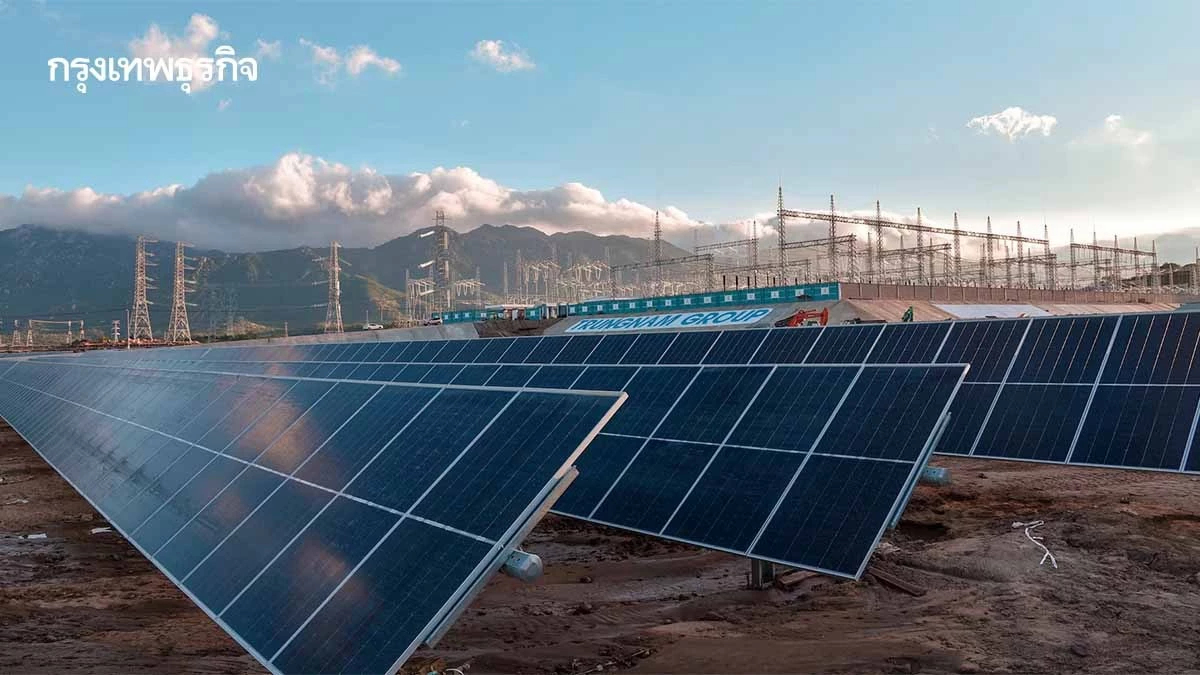
Vietnam is undertaking a major restructuring of its electricity tariff system, eliminating the morning peak pricing period as solar power generation has surged to the point of overloading the grid. The move is expected to reduce average electricity rates by 2%, aiming to lower the cost of living and support efforts to attract investment.
Vietnam is undergoing a major restructuring of its electricity tariff system, abolishing the morning peak pricing period as solar power generation has surged to the point of overloading the grid. The move also includes a 2% reduction in average electricity rates, aimed at lowering the cost of living and supporting investment attraction.
Vietnam’s Electricity of Vietnam (EVN) announced a new electricity tariff structure on Sunday (October 31), eliminating the peak demand charge for the morning window of 9:30 a.m. to 11:30 a.m. and extending the evening peak period by two hours to 5:30 p.m. to 10:30 p.m.
This adjustment reflects how the rapid growth of solar power generation has transformed Vietnam’s electricity consumption patterns.
The government has reduced concerns about daytime energy shortages, as sufficient solar generation now feeds into the grid. Consequently, power producers will no longer receive higher tariffs during daytime hours.
At the same time, EVN announced a 2% reduction in average retail electricity prices, in line with government policy, to support consumers and businesses amid the energy price crisis driven by the conflict in the Middle East. The government estimates that this tariff cut will help reduce inflation by 0.08%.
HP and Asus are shifting their production bases to Thailand and Vietnam, as rising costs are driving the PC giant to return to China.
Vietnam’s solar power generation capacity surges, unlocking peak hours, preparing to cut electricity rates by 2%
Vietnam visits the EU to build on the FTA; the apparel industry highlights trade agreements to expand into the European market
Vietnam’s solar power generation capacity is booming, unlocking peak-hour constraints and paving the way for a 2% reduction in electricity tariffs.
Vietnam receives support from Tesla and Samsung in opposing new U.S. tariff increases.
The shift to a single peak period is expected to benefit certain companies. Factories that add late-night shifts after the peak period ends will see lower electricity bills, while those equipped with battery energy storage systems can store solar power generated during the day for use in the evening.
This change comes at a critical juncture for the “Direct Power Purchase Agreement” (DPPA) policy, a mechanism that allows private entities to trade clean energy directly. Major global projects, including facilities operated by Samsung and Lego, are currently underway under this framework.
Giles Cooper, a partner at the law firm Allens and a DPPA expert, told Nikkei that abolishing the morning peak period could hinder incentives for industry to reduce carbon emissions. He argued that it may send a misleading signal about the true cost of power procurement, especially given the need to invest in grid expansion to accommodate the growing share of renewable energy.
Tai Hoang Quynh, Vice President of the Power Systems division at Schneider Electric, which is advising Samsung on the purchase of 70 gigawatt-hours of solar energy annually for its factory in Thai Nguyen province, noted that this initiative can reduce carbon emissions by up to 46,000 tons.
The deal announced by Samsung in June is considered Vietnam’s first virtual direct power purchase agreement (Virtual DPPA). Under this arrangement, Samsung will continue to draw electricity from the conventional transmission grid, while other power producers will offset the corresponding consumption by feeding solar-generated electricity into the system.
In addition, Vietnam Singapore Industrial Park (VSIP) signed a DPPA with Lego last year. The Danish toy maker described the agreement as “the first large-scale renewable energy solution specifically designed for industrial use in Vietnam.”
Lego previously stated that Vietnam’s solar energy potential was a key factor in its decision to build the company’s most sustainable factory, highlighting the growing importance of renewable energy for foreign investors establishing production bases in Vietnam.
Vietnam has now become the top solar energy producer in ASEAN. However, a major challenge for the government and policymakers is how to manage the system to promote renewable energy while ensuring grid stability during nighttime hours, when there is no sunlight but electricity demand remains high.
Decisions based on “facts” and “opportunities”
Frequently asked questions
How does Vietnam's new electricity tariff structure change the morning peak pricing period due to solar power surges?
Vietnam is eliminating the morning peak pricing period from 9:30 a.m. to 11:30 a.m. because solar generation now overloads the grid. This restructuring also extends the evening peak period by two hours to 5:30 p.m. to 10:30 p.m.
What specific operational changes can factories make to reduce electricity bills under Vietnam's new single peak period tariff system?
Factories can add late-night shifts after the peak period ends to access lower electricity rates. Additionally, facilities equipped with battery energy storage systems can store daytime solar power for evening use, optimizing costs.
What major grid stability challenge does Vietnam face as it becomes the top solar producer in ASEAN?
The primary challenge is managing the system to promote renewables while ensuring stability during nighttime hours. Electricity demand remains high at night when there is no sunlight to generate solar power.